
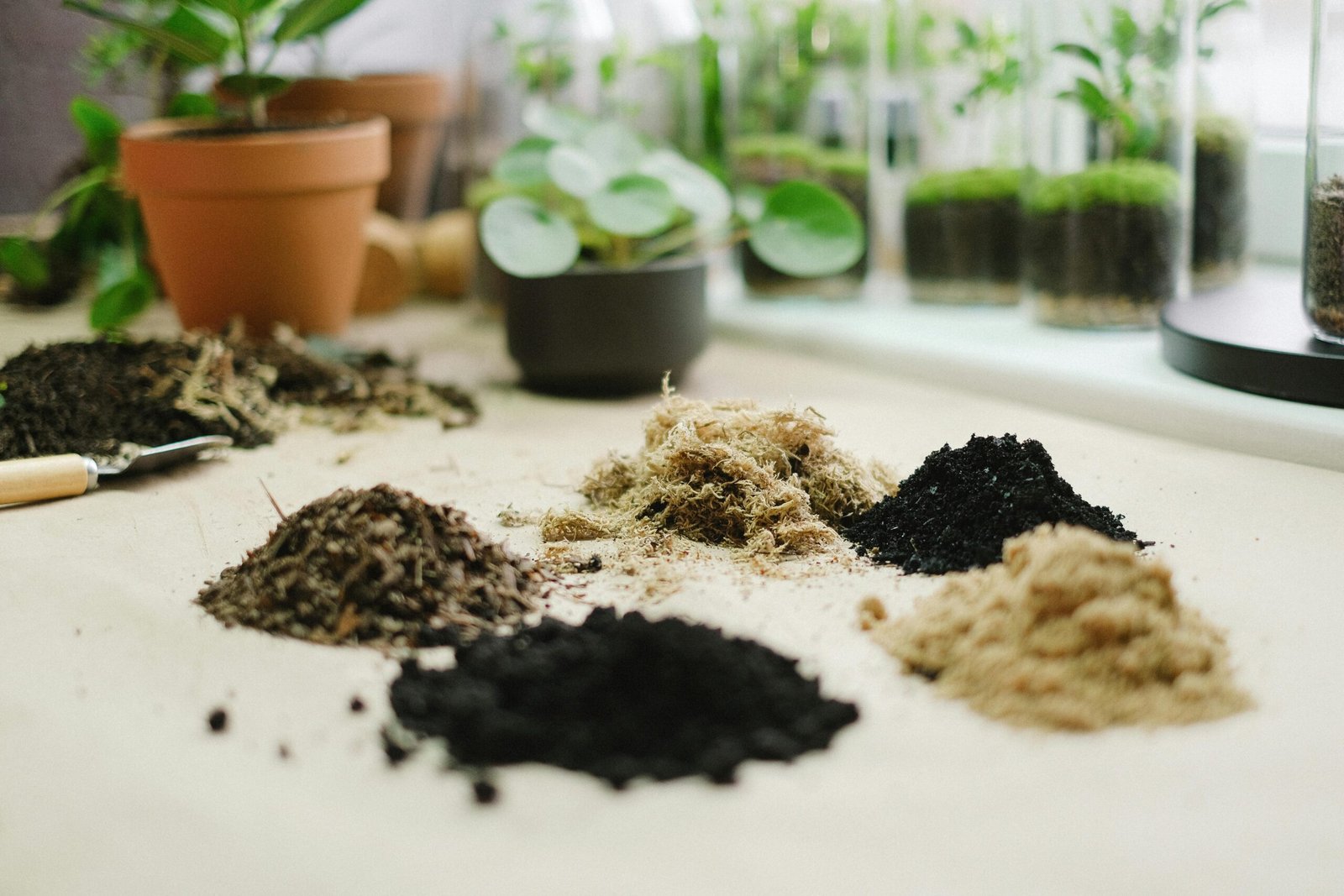
You just built your beautiful new raised beds. You are excited. Then you do the math. To fill a single standard 4×8 foot bed, you need 27 cubic bags of soil. At $8 a bag, that’s over $200 just for dirt—before you even buy a single seed.
This is the moment most new gardeners panic and buy the cheapest “Fill Dirt” they can find (which turns into a concrete brick by July).
Don’t do that. The soil you build today determines the vegetables you eat tomorrow. The secret to a massive harvest isn’t the fertilizer—it’s the structure of your soil.
Here are the two best DIY recipes to fill your beds: one for the gardener who wants perfection at any cost, and one for the gardener who wants huge yields on a budget.
Quick Summary: Which Mix is Right for You?
- The Premium Mix (1:1:1): Best for small gardens, Square Foot Gardening, and heavy feeders like tomatoes. Mix equal parts Coarse Vermiculite, Peat Moss, and Blended Compost.
- The Budget Mix (50-30-20): Best for large raised beds or deep fills. Mix 50% Screened Topsoil, 30% Compost, and 20% Organic Matter.
The Golden Rule: Drainage + Moisture
Before we mix, you need to understand why we mix. Garden soil needs to do two contradictory things at once:
- Drain fast: So roots don’t drown in a swamp.
- Hold water: So plants don’t dry out in an hour.
You cannot achieve this with just “dirt” from your yard. You need a structured mix.
Option 1: The “Premium” Mix (Mel’s Mix Style)
Best For: Square Foot Gardening, Beginners, Heavy Feeders.
The Cost:
$ (Expensive, approx. $150+ per bed).
The Verdict: If you have the budget, this is the Ferrari of soils. It is practically impossible to fail with this mix.
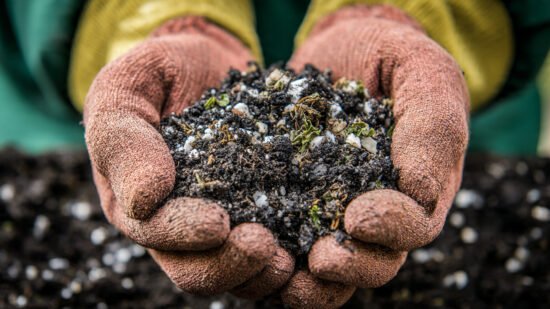
The Recipe (1:1:1 Ratio)
Measure this by volume (buckets or scoops), not weight.
- 1/3 Coarse Vermiculite: This is the magic. It holds moisture and keeps soil fluffy.
- 1/3 Peat Moss (or Coco Coir): This acts like a sponge for water. (Eco-Tip: Coco Coir is a renewable resource, whereas peat is not.)
- 1/3 Blended Compost: The “food.” Crucial: Use at least 3 different sources (e.g., Mushroom Compost, Cow Manure, Poultry Compost) for nutrient diversity.
Why It Wins
- Weed Free: Since it contains no mineral “soil,” there are no dormant weed seeds.
- Never Compacts: You can plunge your hand to the bottom of the bed years later.
- Long Lasting: You never replace the Vermiculite or Peat. You only add fresh compost each year.
Option 2: The “Budget Bulk” Mix (The Realist’s Choice)
Best For: Large gardens, Deep beds, Filling multiple 4x8s.
The Cost: $ (Cheap, approx. 50 per bed).
The Verdict: This requires a bit more work, but it grows amazing veggies for a fraction of the price.
The Recipe (50-30-20 Rule)
You will need to order this from a local landscape supply yard in Bulk (delivered by truck).
- 50% Topsoil: Ask for “Screened Topsoil” (no rocks/clumps). This provides the mineral base.
- 30% Quality Compost: This provides the nutrients and biology.
- 20% Aeration/Organic Matter: Shovel in shredded leaves, dried grass clippings, or some bags of Perlite to keep it fluffy.
⚠️ Crucial Warning: Beware of “Killer Compost”
Before buying bulk compost or manure, ask your supplier one question: “Was this sourced from animals that grazed on treated hay?”
Persistent herbicides (like Grazon/Aminopyralid) pass through the animal’s digestion and remain active in the manure for years. Even trace amounts will twist, stunt, and kill your tomato and bean plants. If the supplier doesn’t know, do not buy it. Stick to bagged, certified compost or make your own.
The “Cost Hack” for Deep Beds
If your beds are deep (18+ inches), rarely will plant roots reach the bottom. Don’t waste money filling the bottom half with premium soil. Use the “Hugelkultur” method:
- Fill the bottom 30% of the bed with old logs, branches, and sticks.
- Cover that with upside-down sod, cardboard, or leaves.
- Fill the top 10–12 inches with your good soil mix.
Result: The logs rot down slowly, feeding the soil for years, and you save 30% on your soil bill.
The “Math Cheat Sheet”: How Much Do I Need?
Don’t guess. Landscape yards sell by the Cubic Yard.
| Bed Size (L x W) | Depth | Cubic Yards Needed | Bags of Soil (1.5 cf) |
| 4′ x 4′ | 12 inches | 0.5 Yards | ~9 bags |
| 4′ x 8′ | 12 inches | 1.0 Yard | ~18 bags |
| 4′ x 8′ | 18 inches | 1.5 Yards | ~27 bags |
Pro Tip: Soil settles. Always buy 10% more than the math says you need.
The “Secret Sauce”: Essential Amendments
Whether you choose the Premium or Budget mix, adding these two things will supercharge your results:
- Worm Castings: The “Black Gold” of organic gardening. It adds billions of beneficial microbes. Add 1 bag per bed.
- Rock Dust (Azomite): Re-mineralizes the soil with trace elements that depleted commercial soils often lack.
Summary
- Got cash and want zero weeds? Go Premium (1:1:1).
- Got a pickup truck and a budget? Go Bulk (50-30-20).
What to do next:
Once your beds are filled, the first thing you should do is check the pH. Bulk compost can sometimes be surprisingly alkaline or acidic. Read our guide on How to Test Garden Soil pH at Home Without a Kit to do it for free.
Why this video is included:
This video by CaliKim29 Garden & Home DIY walks viewers through what makes an excellent soil mix for raised beds — covering soil structure, nutrient balance, aeration, and moisture retention — which aligns directly with your article’s recommendations about what to include in an organic raised bed soil mix.
What viewers will learn:
• How to choose soil components for healthy raised bed soil
• What makes soil good for vegetables and organic gardening
• Practical tips for filling and optimizing raised bed soil
Check out this excellent video from CaliKim29 Garden & Home DIY explaining how to choose and prepare the best soil mix for raised beds — from organic components to soil health fundamentals. You’ll see what makes soil rich and productive, especially for vegetables planted in raised beds. Thank you to CaliKim29 Garden & Home DIY for this great information and visit their channel for more gardening tips — we love to support our neighbors!
People Also Ask (FAQ)
Q: Can I just use 100% compost in a raised bed?
A: You can, but it is not recommended. Compost decomposes quickly, meaning your soil level will drop drastically by mid-summer. It also dries out faster than a mix containing vermiculite or peat.
Q: Do I need to replace the soil every year?
A: No! You never replace the soil. However, you must “top it off” every spring with 1–2 inches of fresh compost to replace the nutrients your plants used up.
Q: Can I use “Garden Soil” bags in a raised bed?
A: Be careful. Bags labeled “Garden Soil” are meant to be mixed into the ground, not used in pots or raised beds. They often lack the drainage needed for a container. Look for “Raised Bed Mix” or “Potting Mix” if buying bags.
If you aren’t building raised beds and want to plant directly in the ground, you first need to fix your drainage. Read our guide on How to Improve Clay Soil
Leave a Reply