
shonell
-
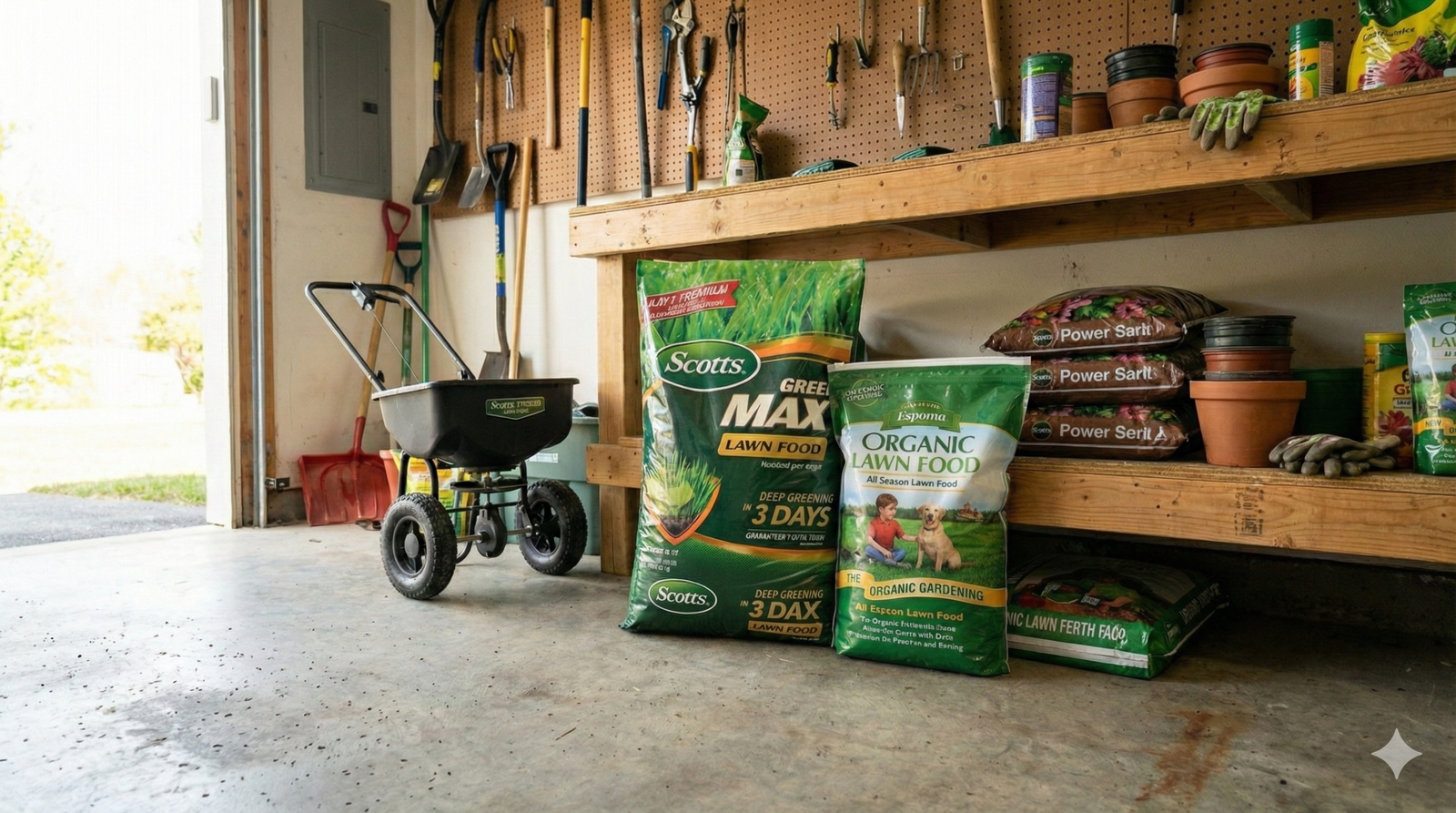
Best Organic Lawn Fertilizers: Top 5 Reviewed (2026)
Most homeowners abandon organic lawn care within their first season. This is rarely due to product failure; it is an expectation failure caused by the “Synthetic Steroid” trap. For decades, the industry has conditioned you to expect immediate gratification. Synthetic chemical fertilizers are highly water-soluble nitrates that bypass the soil ecosystem to force rapid, weak
-
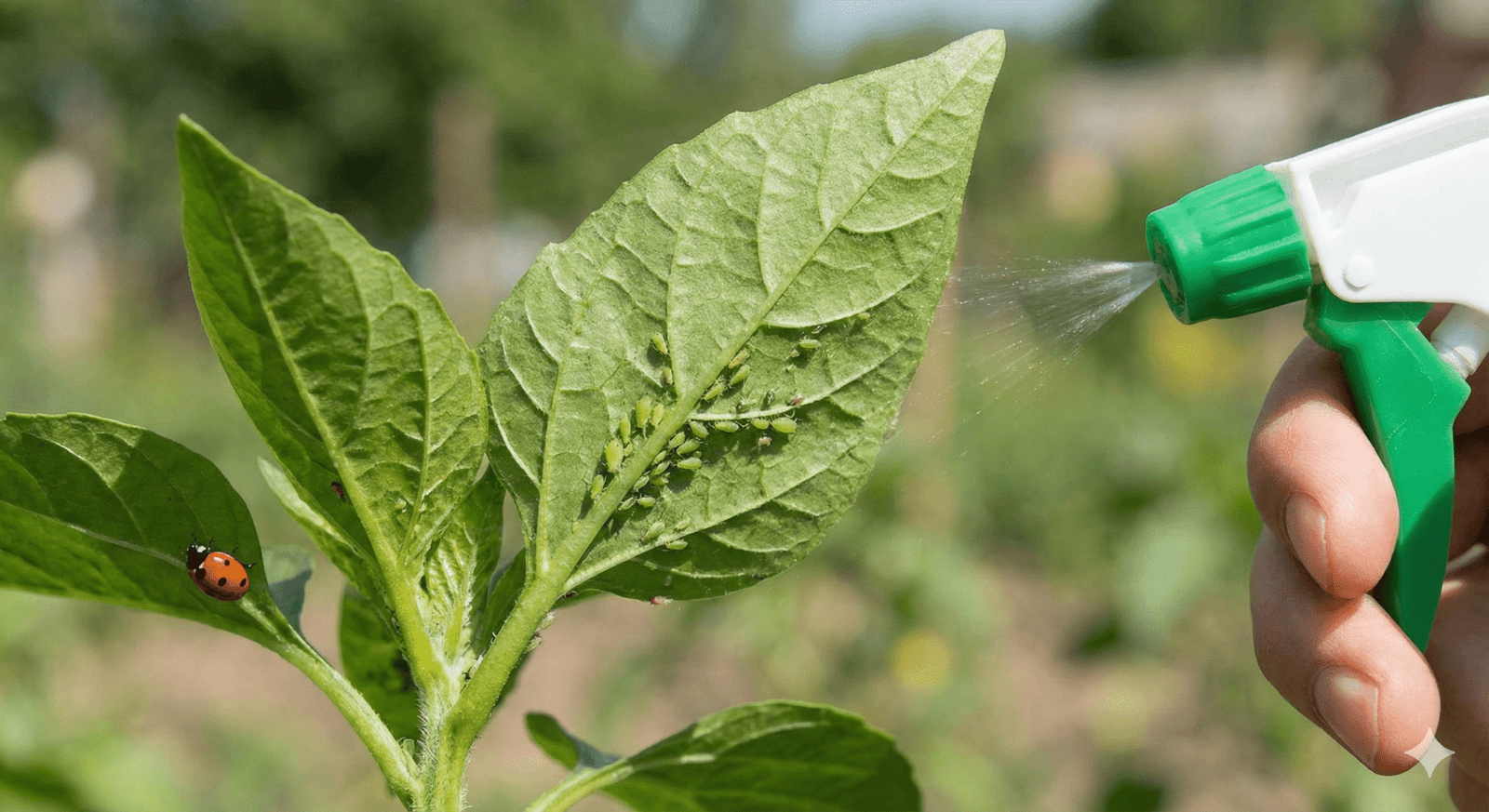
The 14-Day Aphid Eradication Protocol: How to Get Rid of Aphids for Good
You sprayed your plants yesterday, but the aphids are back today. This failure is not because your insecticide was too weak; it is because you are fighting a biological anomaly. Aphids possess a reproductive advantage called “telescoping generations.” In summer, females are born pregnant, reproducing asexually without the need for a mate. A single survivor
-
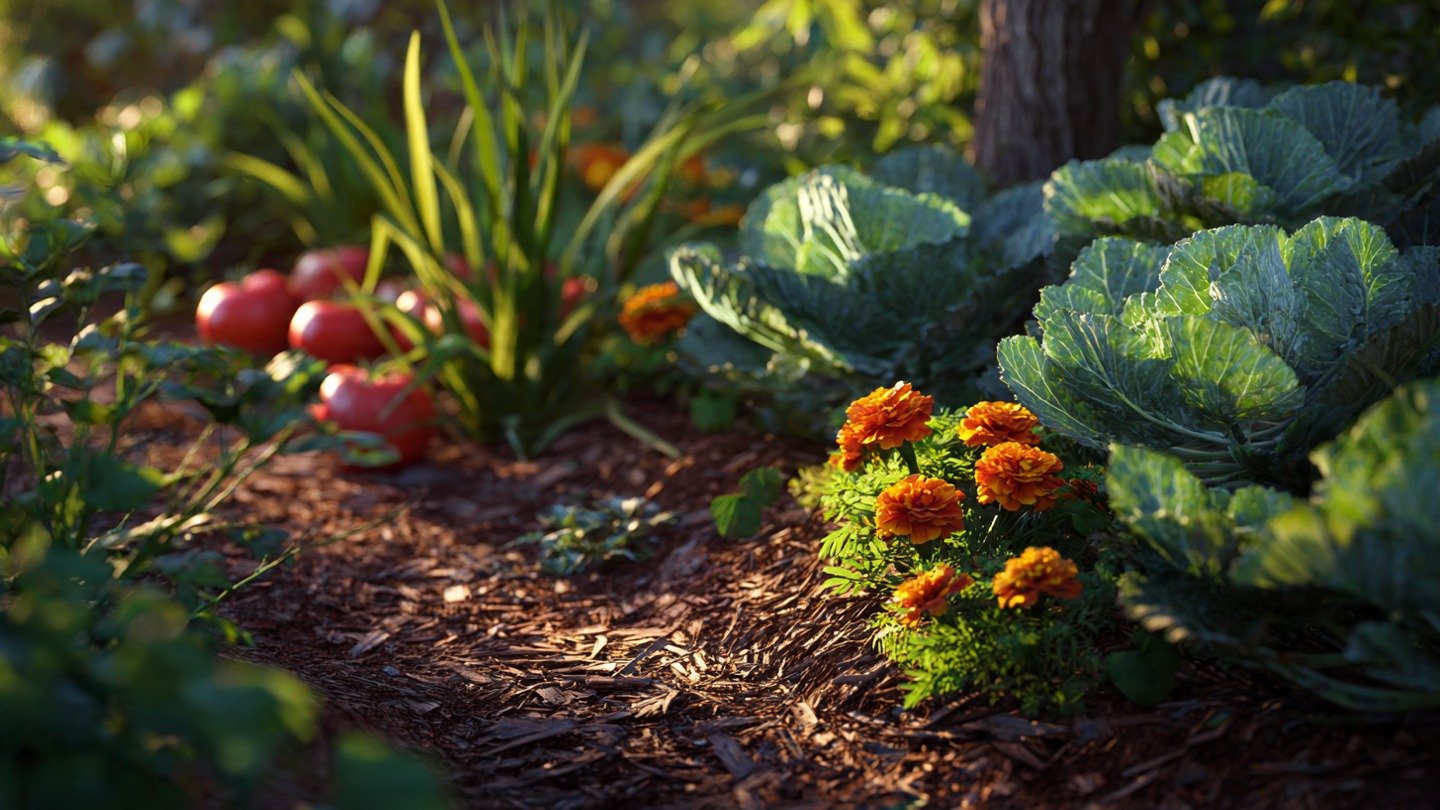
Small Vegetable Garden Layouts for Beginners: The “Zero-Math” Blueprint
Staring at a blank patch of dirt is the most intimidating part of gardening. You have the seeds, the enthusiasm, and the soil, but then “Analysis Paralysis” sets in. How far apart do the carrots go? If I plant tomatoes here, will they kill the lettuce? Do I really need a degree in geometry to
-
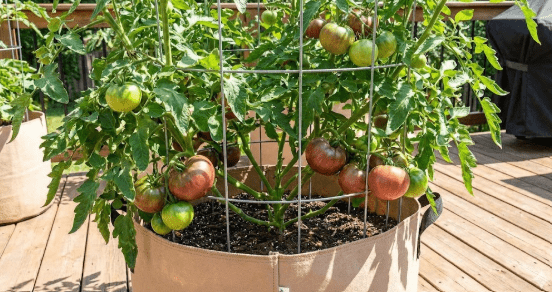
The No-Nonsense Guide to Growing Tomatoes in Containers (Stop Using 5-Gallon Buckets)
Container gardening often ends in heartbreak: lush, green growth in June followed by yellowing leaves and stunted fruit by August. This failure is rarely a “black thumb” issue; it is an engineering failure. Most standard advice—particularly the suggestion that a 5-gallon bucket is sufficient for a beefsteak tomato—is incorrect. It leads to root restriction and
-
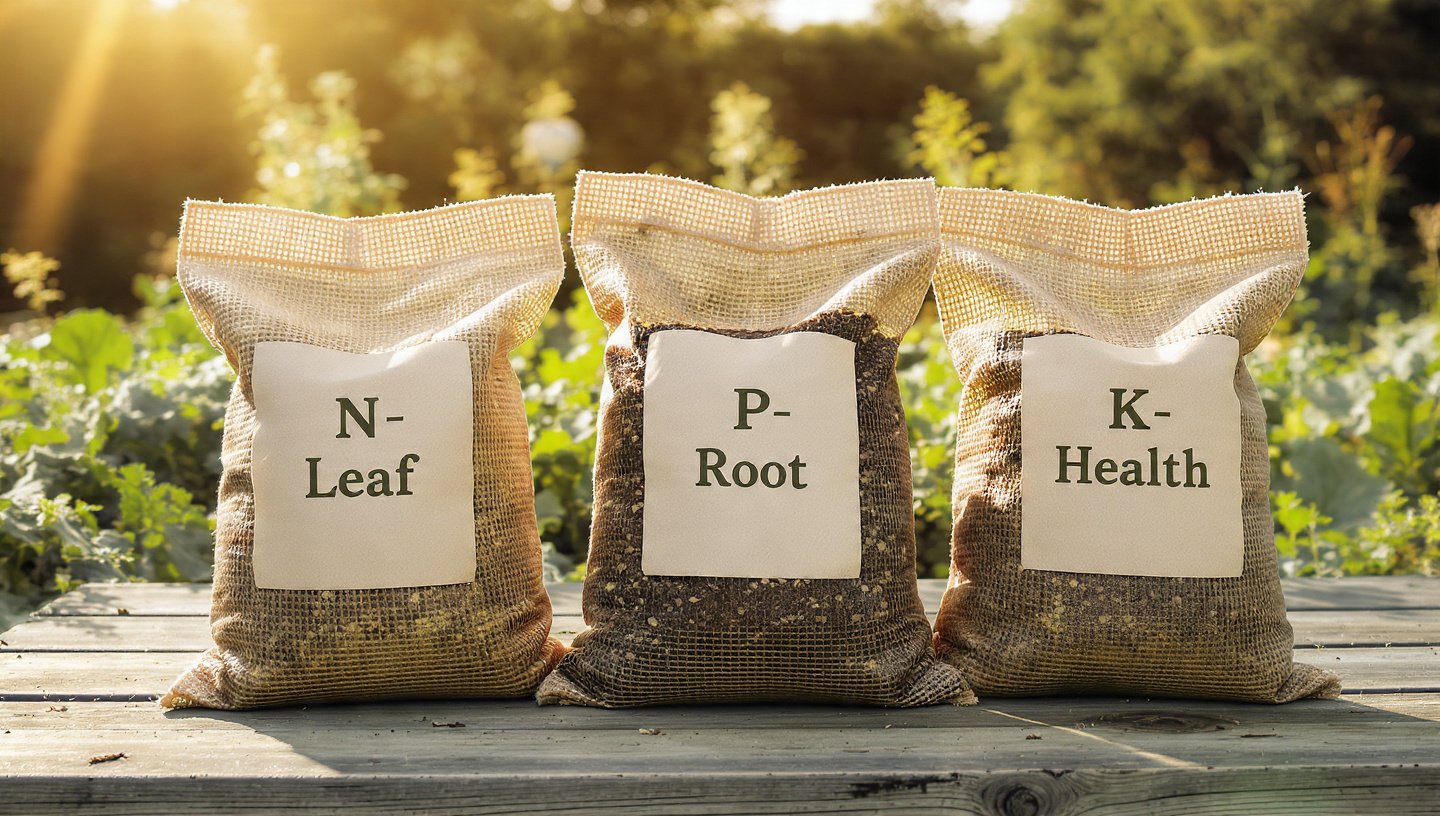
Organic Fertilizer Numbers Explained: What N-P-K Actually Means (And Which One You Need)
You’re standing in the garden center aisle. You see walls of bags. Some say 10-10-10. Others say 4-6-3. Some promise “Big Blooms,” while others promise “Green Lawns.” You just want to feed your tomatoes without killing them. The secret to decoding these bags isn’t a degree in chemistry—it’s three simple letters: N – P – K. Understanding these
-
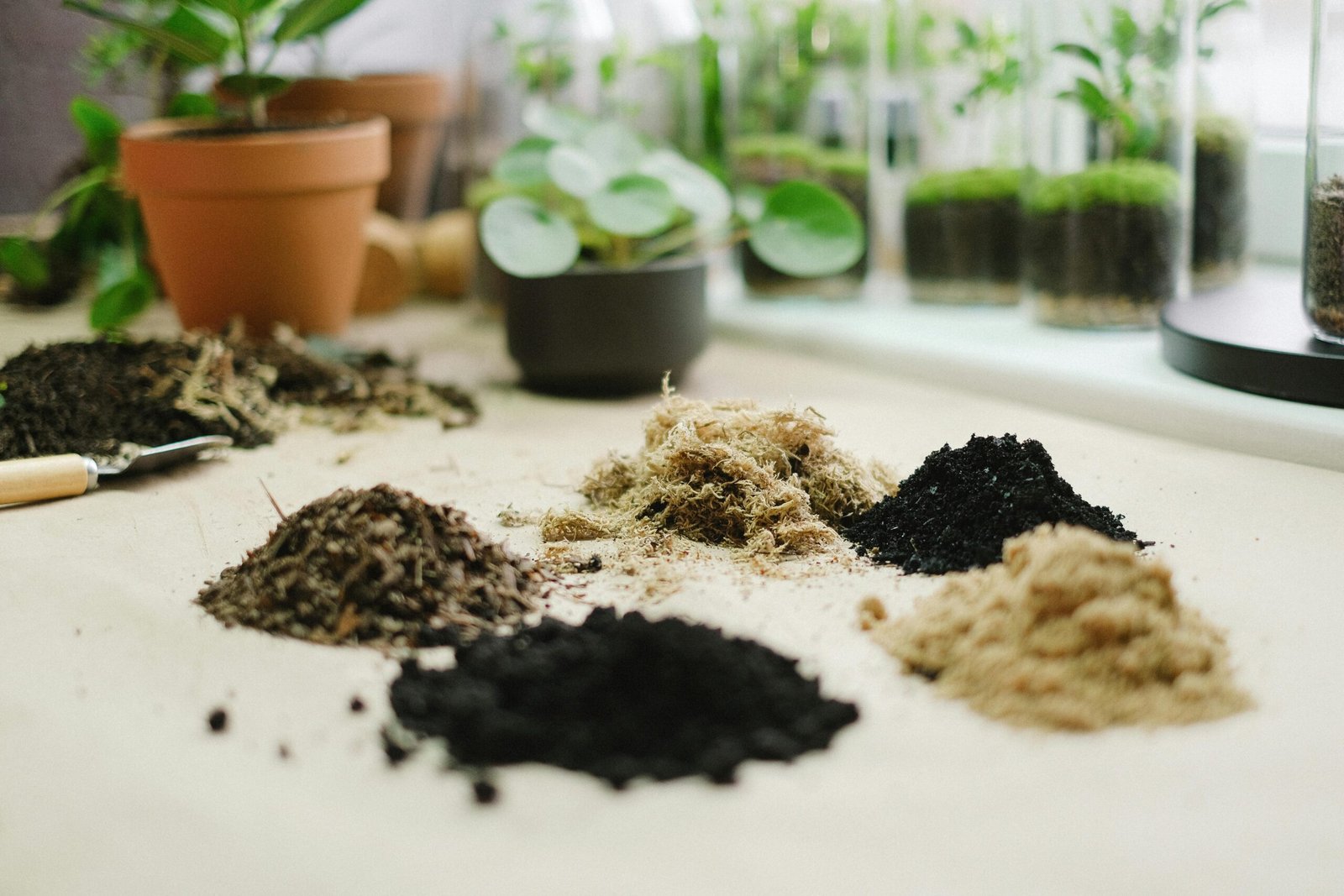
Best Organic Soil Mix for Raised Beds
You just built your beautiful new raised beds. You are excited. Then you do the math. To fill a single standard 4×8 foot bed, you need 27 cubic bags of soil. At $8 a bag, that’s over $200 just for dirt—before you even buy a single seed. This is the moment most new gardeners panic
-
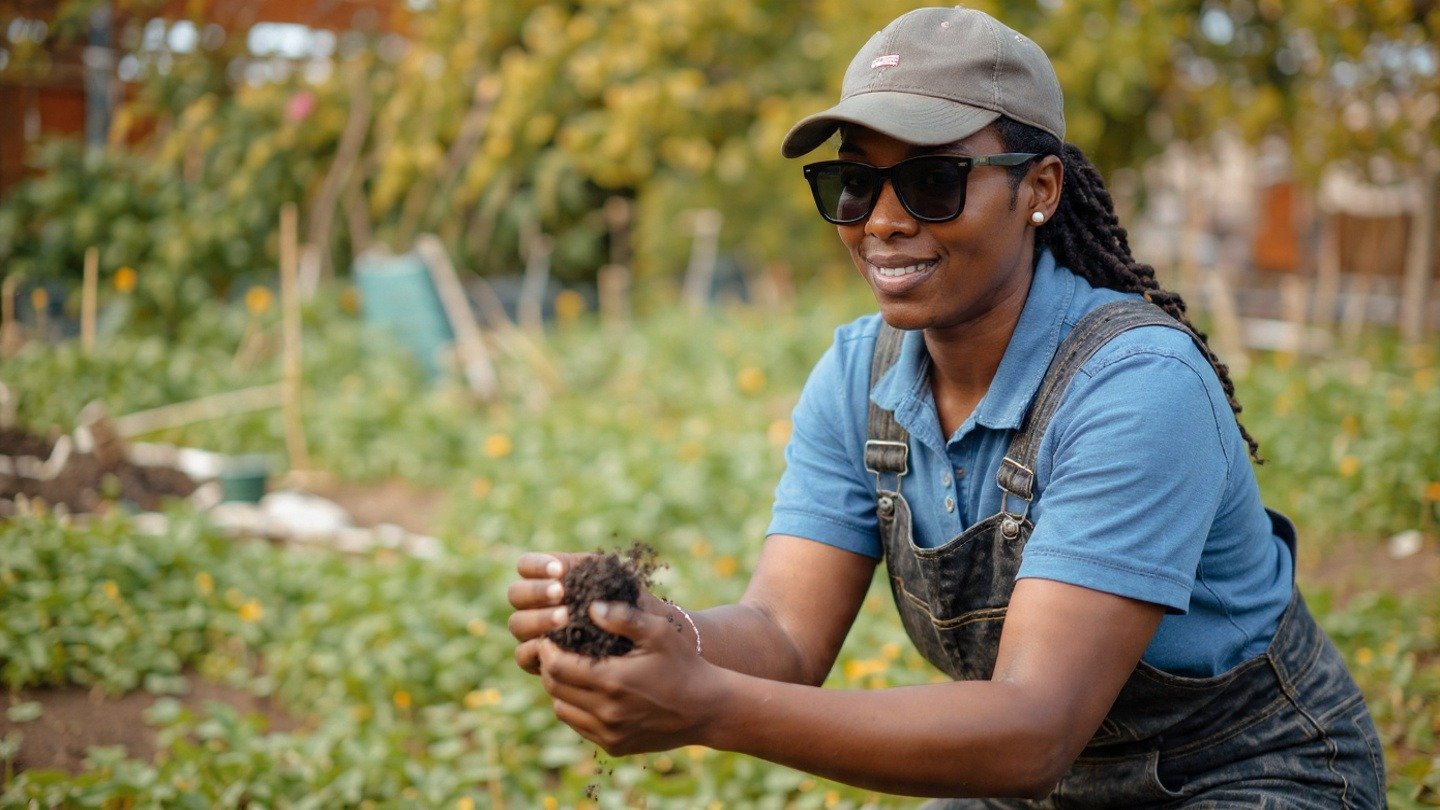
How to Test Garden Soil pH at Home Without a Kit (2 Scientific Ways)
You carefully chose the perfect tomato variety. You watered it. You bought the expensive organic fertilizer. But weeks later, your plant is yellowing, stunted, and sad. The culprit? It’s likely not your “black thumb”—it’s your soil pH. If your soil pH is off, your plants literally cannot eat the nutrients you feed them. It’s like
-

The Truth About Companion Planting: Which Pairs Actually Work (And Which Are Myths)
You’ve probably heard the old gardening wisdom: “Plant Marigolds everywhere to keep bugs away!” or “Basil makes tomatoes taste sweeter!” It sounds nice. But is it true? The reality is that Companion Planting—the practice of growing different plants together for mutual benefit—is a mix of brilliant science and total folklore. If you pair the wrong plants (like Beans and
-
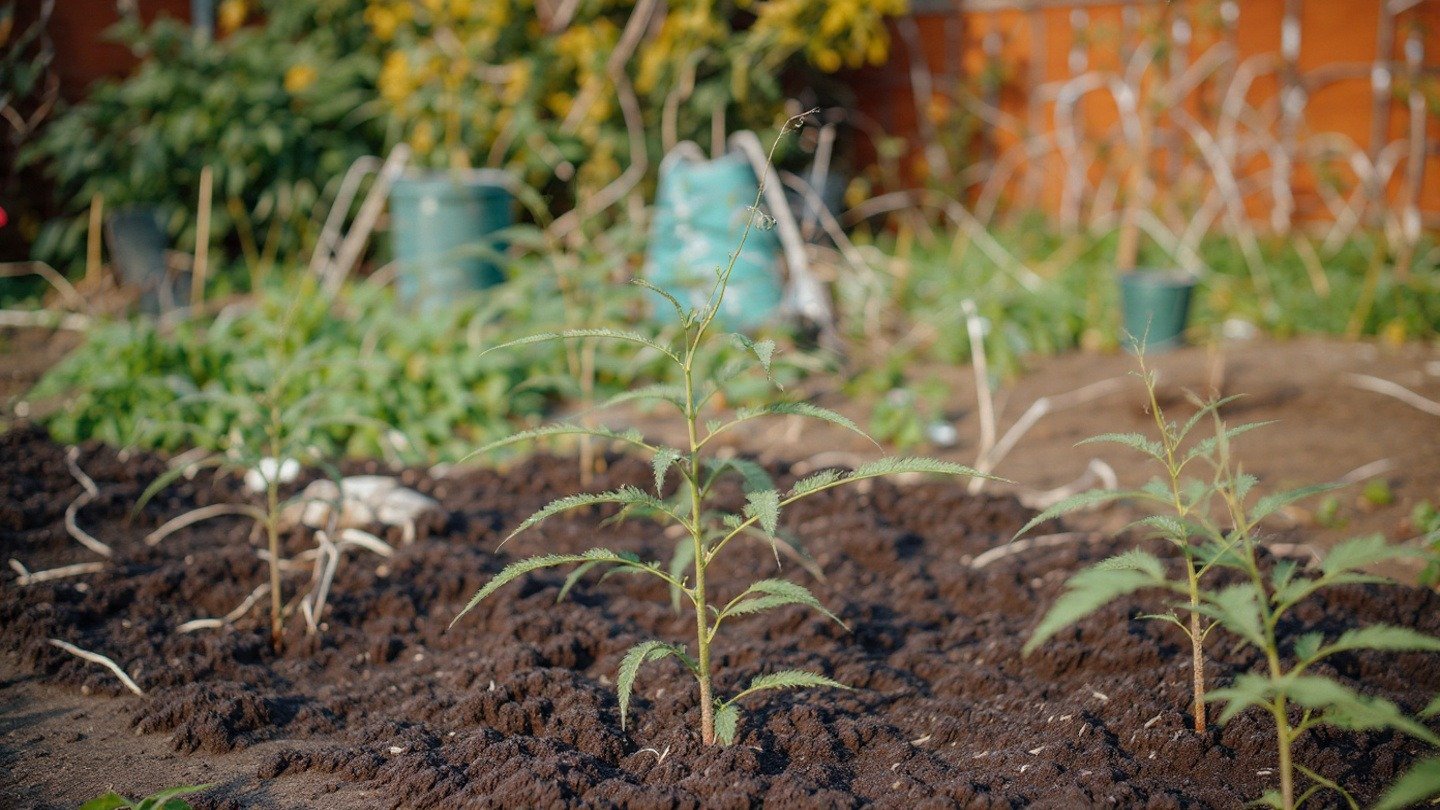
5 Best Soil Amendments for Clay Soil (And Why You Should Never Use Sand)
If you have heavy clay soil, you’ve probably heard the rumor: “Just add sand to loosen it up.” Stop. Put down the shovel. Adding sand to clay soil doesn’t create loam; it creates concrete. The large sand particles lock in with the tiny clay particles to create a substance harder than the ground you started with. If you
-
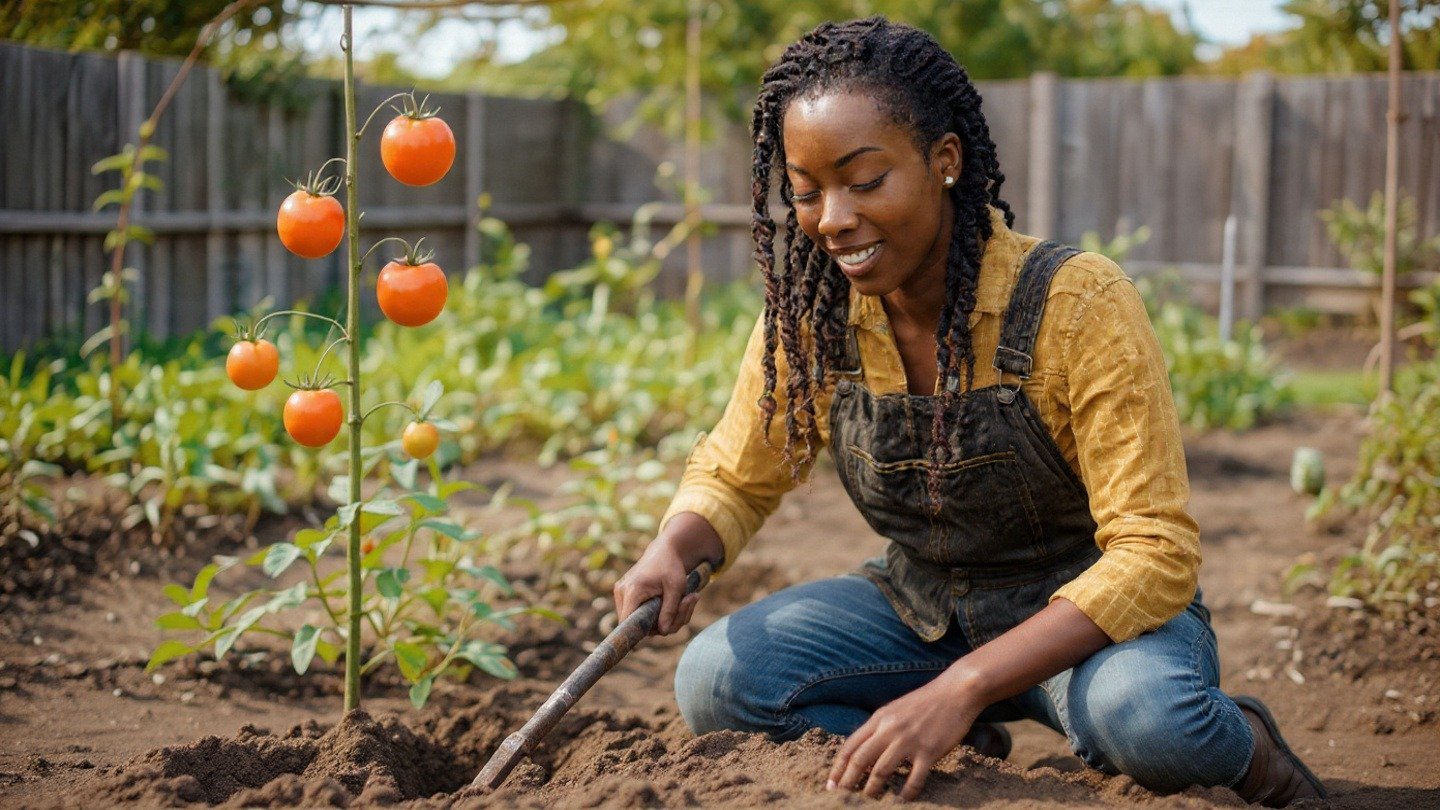
5 Best Broadforks for Clay Soil (2026 Review): Break Up Heavy Ground Without Breaking Your Back
Is your garden soil so hard it bends your trowel? If you’re gardening in heavy clay, you know the struggle. The compaction creates an impenetrable layer that drowns roots and stunts growth. For years, the standard advice was to “till it till it’s fluffy.” But we now know that rototillers are actually the enemy of organic