
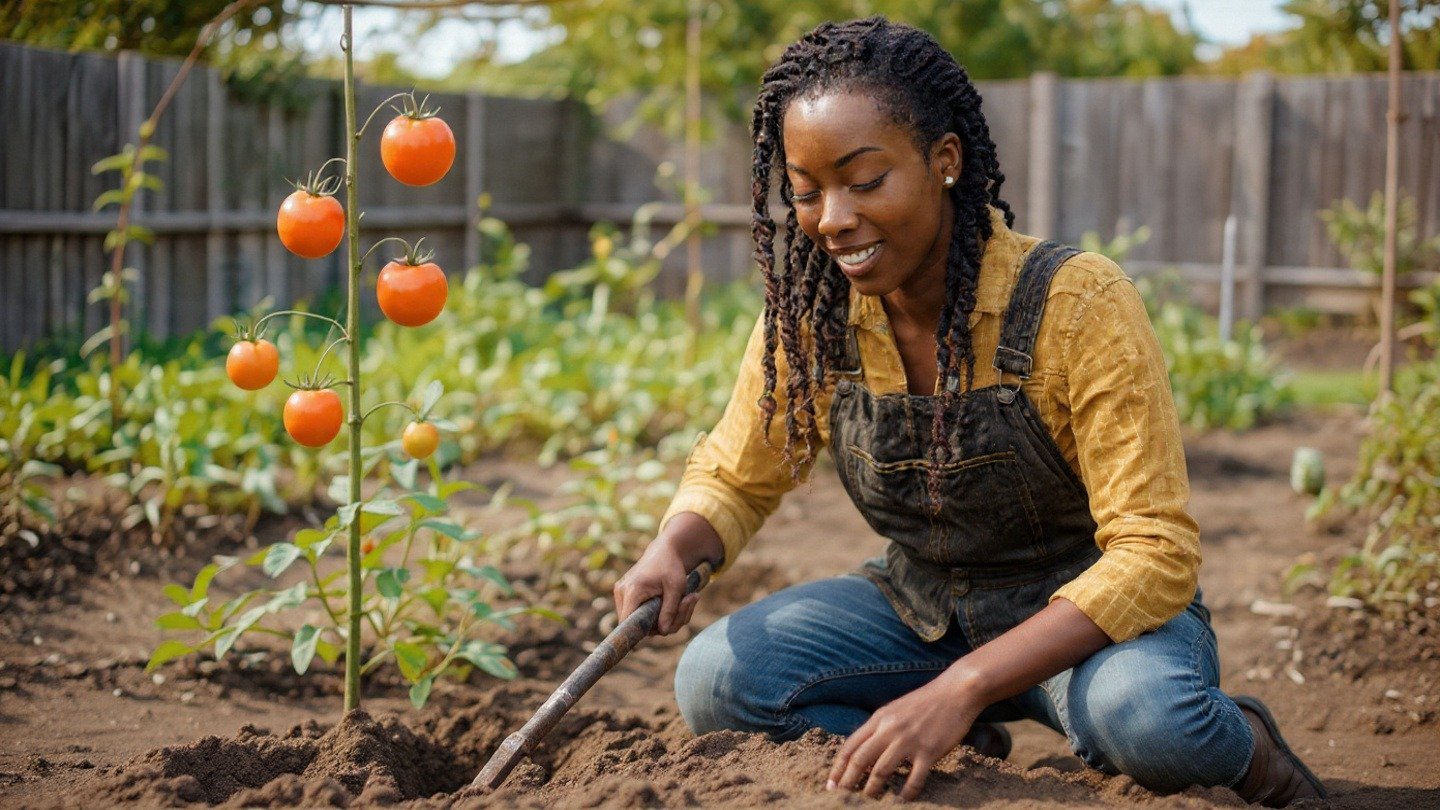
Is your garden soil so hard it bends your trowel?
If you’re gardening in heavy clay, you know the struggle. The compaction creates an impenetrable layer that drowns roots and stunts growth. For years, the standard advice was to “till it till it’s fluffy.” But we now know that rototillers are actually the enemy of organic gardening. They pulverize soil structure, kill beneficial worms, and create a “hardpan” layer just below the surface that makes drainage even worse.
Enter the Broadfork.
This simple, human-powered tool is the secret weapon of regenerative farmers. It deeply aerates the soil without flipping it over, preserving the delicate microbiome and soil structure. But not all broadforks are created equal—especially when going up against concrete-like clay.
We’ve reviewed the top contenders to help you find the best tool to transform your heavy soil into a thriving garden.
At a Glance: Top Broadforks for Clay
| Category | Best For | Check Price |
| 🏆 Best Overall | Heavy-Duty Steel | Hard Clay & Sod |
| 💰 Best Value | Bully Tools 92627 | Soft Clay / Budget |
| 🖐️ Ergonomic | CobraHead | Back Pain |
| 🌲 Classic | Seymour Wood | Loam / Aesthetics |
| 🏠 Compact | DeWit Junior | Raised Beds |
Quick Top Pick: Best Amazon Heavy-Duty Option
🏆 Best Heavy-Duty Broadfork on Amazon: Check Price
For those who want Prime delivery and a robust tool that rivals the famous Meadow Creature in strength, this all-steel model is our top choice available on Amazon.
Broadfork vs. Tiller for Clay: Which is Better?
This is the most common question we get: Why shouldn’t I just use a tiller?
Before you aerate, make sure you understand your Organic Gardening Soil 101 basics.”
The Problem with Tillers in Clay
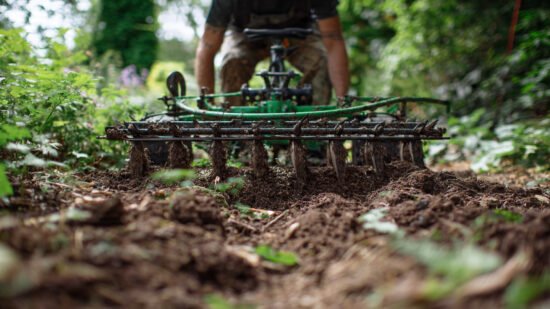
When you run a rototiller through clay soil, the tine speed pulverizes the soil aggregates into dust. When that dust gets wet, it dries into a hard crust that prevents water penetration. Worse, the heavy weight of the tiller compresses the soil right below the tines, creating a “plow pan”—a compacted layer at the 6-inch mark that roots cannot penetrate.
The Broadfork Advantage
A broadfork works differently. It inserts long tines (10-14 inches) into the ground and uses leverage to crack and lift the soil rather than mixing it.
- Preserves Structure: It leaves fungal networks and worm tunnels intact.
- Deep Interior Drainage: By cracking the soil deeply, it creates channels for water to drain away from the surface.
- No Weed Seeds: Tilling brings ancient weed seeds to the surface where they germinate. Broadforking leaves them buried.
How We Tested These Broadforks
To find the true heavy-hitters, we evaluated these tools based on:
- Tine Strength: Can the tines hit a rock and not bend? (Crucial for rocky clay).
- Handle Durability: Will the handles snap when leveraging 200lbs of body weight against wet suction?
- Ergonomics: How does the tool feel after 30 minutes of use?
- Penetration: Does it slide into hard ground, or do you have to jump on it?
5 Best Broadforks for Clay Soil
1. The Amazon Heavyweight: Heavy-Duty All-Steel Broadfork
Product: Heavy-Duty All-Steel Broadfork
While the Meadow Creature is the legendary beast of this category, it’s not available on Amazon and shipping can be slow. If you are looking for the closest alternative that you can order today with Prime shipping, this is it. It features unbendable steel tines and a fully welded construction.
Why it wins for Clay:
When you work in clay, “flex” is your enemy. You want rigidity. This tool transfers 100% of your energy into cracking the ground.
- Pros: Indestructible all-steel design; deep penetration; heavy enough to aid insertion.
- Cons: Heavier to lift than fiberglass models; no wooden handle comfort.
2. Best Budget & Fiberglass Option: Bully Tools 92627 Broad Fork
Product: Bully Tools 92627
If you are just starting and don’t want to invest over $150, Bully Tools offers a fantastic American-made compromise. It uses thick fiberglass handles which are incredibly strong but lighter than solid steel.
Why it’s good for Clay:
The tines are made from extra-thick steel that resists bending. It’s perfect for maintaining styles of clay gardening or established beds.
- Pros: Light but strong fiberglass handles; affordable; lifetime limited warranty.
- Cons: Slightly shorter tines than premium models; fiberglass has a different “feel” than wood or steel.
3. Best for Ergonomics: CobraHead Broadfork
Product: CobraHead Broadfork
CobraHead is famous for its curved tool design, and their broadfork follows suit. The tines have a unique geometry specifically designed to slice through soil with less resistance.
Why it’s good for Clay:
The curve allows the tines to enter the soil at an optimal angle, requiring less “jumping” on the bar. It lifts the soil gently.
- Pros: Beautiful craftsmanship; easier on the lower back; high-quality construction.
- Cons: Premium price point; availability can be spotty. https://amzn.to/4qh4pPb
4. Best Traditional Style: Seymour Mfg / Wooden Handle Forks
Product: Seymour Broadfork
For the purist, there is nothing like the feel of ash wood handles. These tools offer natural vibration absorption which can be easier on your joints.
Why it’s good for Clay:
Best for “loamy clay” or beds that have been worked at least once before. The wood handles are comfortable for long sessions.
- Pros: Classic aesthetic; comfortable grip; lighter weight.
- Cons: Warning: In rock-hard, unworked clay, wooden handles are the breaking point. Use with caution on virgin ground.
5. Best Compact Option: DeWit Junior Broadfork
Product: DeWit Junior / Short-Handle Broadfork
Not everyone needs a massive tool for breaking new ground. If you have raised beds or a smaller garden plot, a full-sized broadfork can be unwieldy. The DeWit Junior is a compact, handheld powerhouse designed for tighter spaces.
Why it’s good for Clay:
It allows you to aerate specific problem spots without managing a 50-inch tool. The tines are high-quality forged steel, meaning they won’t bend even in sticky soil.https://amzn.to/4qh4pPb
- Pros: Easy to store; perfect for raised beds; lightweight; high maneuverability.
- Cons: Requires more bending over (shorter handles); not for large acreage.
Broadfork vs. Pitchfork: Can You Use a Standard Fork?
We see this question a lot. Can’t I just use my regular digging fork?
The Short Answer: No.
The Long Answer: A standard garden fork (or pitchfork) is designed for moving loose material like compost or straw. The tines are thin, and the handle is meant for lifting, not leveraging.
If you try to stick a garden fork into compacted clay and pull back, you will snap the handle or bend the tines. A broadfork is a machine designed for leverage. It has two handles to distribute the load and a “step bar” that acts as a fulcrum, multiplying your force.
Detailed Buying Guide: Choosing the Right Tool
Understanding Soil Types: Red Clay vs. Grey Clay
Not all clay is the same, and your tool choice might vary.
- Red “Sticky” Clay: Often found in the South. This soil is dense and sticky when wet. You need wide spacing between tines so the clay doesn’t get stuck in the tool (clogging). The All-Steel model is great here.
- Grey/Hardpan Clay: Often rocky and concrete-hard when dry. You need sharp, needle-like tips to pierce the surface. Weight is your friend here to drive the tool down.
Tine Length Matters
For clay remediation, you need to break the hardpan.
- 12-14 Inches: Ideal. This gets below the root zone of most weeds and vegetables, ensuring deep drainage.
- 8-10 Inches: Good for raised beds or mixing in compost, but won’t solve deep drainage issues.
Handle Material: The “Flex” Factor
- Steel: Zero flex. All power goes to the soil. Best for breaking new ground.
- Fiberglass: Slight flex, very strong. Good for general use.
- Wood: Most flex. Feels “alive” and responsive, but can snap under extreme torque.
Step-by-Step: How to Use a Broadfork in Clay
- Wait for the “Goldilocks” Window: Never broadfork bone-dry clay (it’s too hard) or soaking wet clay (you’ll create brick-like clods). Wait 2-3 days after a rain when the soil is moist but crumbly.
- The “Step and Rock”: Place the tines on the soil. Step onto the crossbar. If it doesn’t sink in, rock the handles back and forth to wiggle it past rocks/roots.
- Use Body Weight: Lean back comfortably. Let your weight do the work of cracking the soil. You don’t need to lift the soil out—just crack it to let air in.
- Add Organic Matter: The best time to add compost is right after broadforking. Rake it over the surface; the rain will wash it down into the deep cracks you just made.
Helpful Video Resource
Why This Video Is Included
I felt this video would be especially helpful for you because it allows you to visually see how a broadfork is used to loosen and aerate heavy clay soil, making it much easier to prepare beds for planting. While the above article explains how choosing and using a broadfork can transform tough soil, watching someone actually perform the technique helps you understand the body mechanics, depth, and soil response in real garden conditions.
This video specifically demonstrates the process of using a broadfork to improve compaction and soil structure, which directly supports the guidance provided in your post Best Broadfork for Clay Soil. It shows how the tool penetrates dense soil, opens channels for air and water, and preserves beneficial soil layers while preparing a healthy bed for your vegetables.
What You Will Learn
By watching this video, you will:
- See how to position, step, and leverage a broadfork effectively in compacted clay soil.
- Learn how broadforking opens up heavy soil to improve aeration and drainage without turning it over like a rototiller would.
- Understand how this process preserves soil structure and biological activity while making planting and amendment incorporation easier.
Thank you to Growfully from the Growfully YouTube channel for this great and helpful video. They share practical, real-world gardening techniques that align with science-based soil improvement strategies. If you find this video valuable, visit their channel for more gardening tips—we love to support our neighbors and creators who help gardeners succeed
Ready to wake up your soil?
Don’t let clay soil defeat you. With the right tool, you can turn that hard earth into a fertile, sponge-like garden bed.
👉 See our #1 Rated Heavy-Duty Alternative on Amazon
Before you start aerating, make sure you’ve tested your soil pH at home to ensure your plants can actually absorb nutrients.
Organic Gardening Advice is a participant in the Amazon Services LLC Associates Program, an affiliate advertising program designed to provide a means for sites to earn advertising fees by advertising and linking to Amazon.com
Leave a Reply