
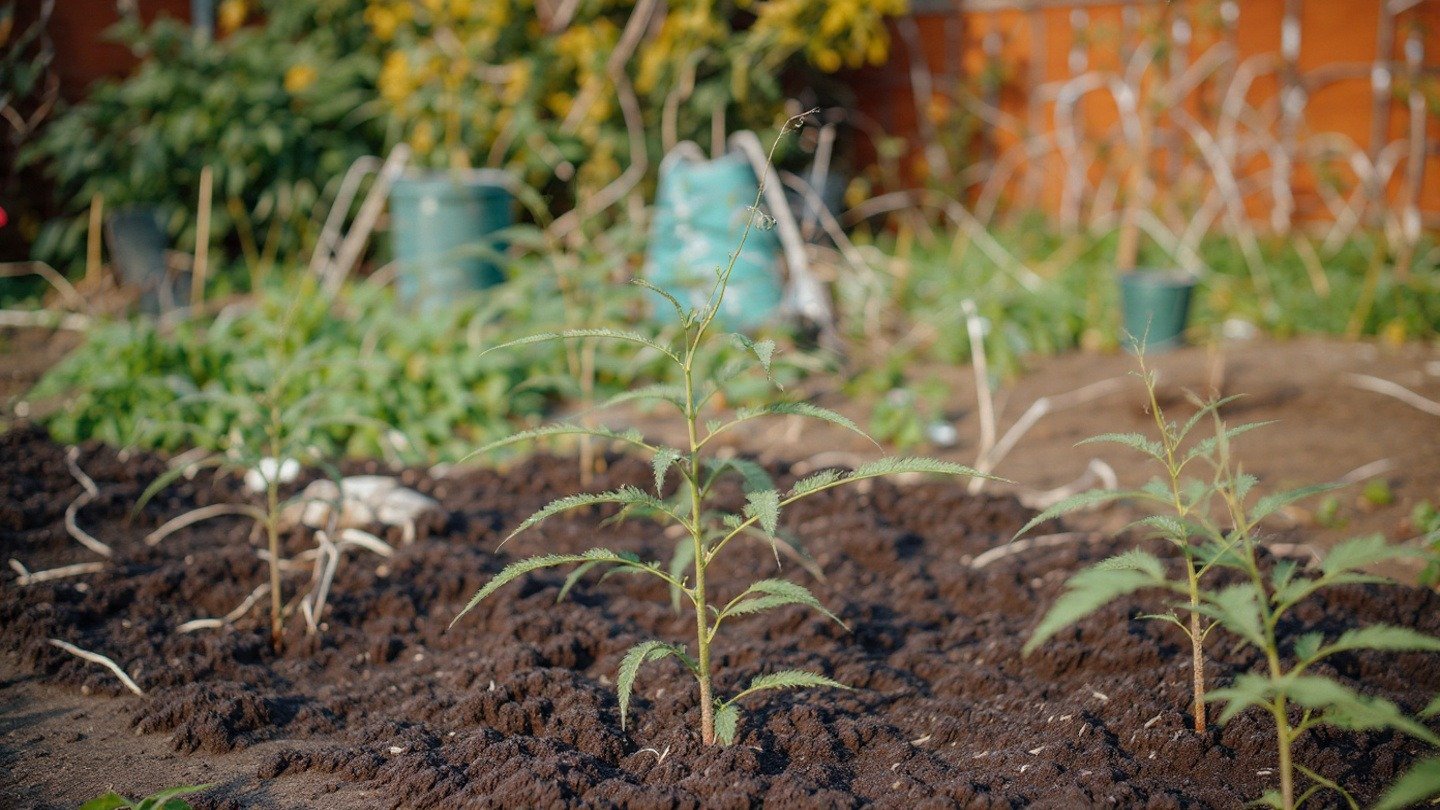
If you have heavy clay soil, you’ve probably heard the rumor: “Just add sand to loosen it up.”
Stop. Put down the shovel.
Adding sand to clay soil doesn’t create loam; it creates concrete. The large sand particles lock in with the tiny clay particles to create a substance harder than the ground you started with.
If you want to fix drainage and break up compaction without destroying your soil structure, you need the right amendments. In our guide to the best broadforks, we explained how to physically crack the soil open. Now, we’re going to show you exactly what to pour into those cracks to keep them open forever.
Here are the 5 best soil amendments for transforming heavy clay into rich, dark garden soil.
At a Glance: Top Clay Busters
| Amendment | Best For | Application Rate | Check Price |
| 🏆 Organic Compost | Everything | 2-3 inches on top | Check Amazon |
| 🪨 Garden Gypsum | Salt/Crusting | 1 lb per 10 sq ft | Check Amazon |
| 🔥 Biochar | Long-Term Aeration | Mix 10% volume | Check Amazon |
| 🌱 Daikon Radish | “Living Tiller” | Sow in Fall | Check Amazon |
| Worm Castings | Microbiology | Handful per plant | Check Amazon |
1. Organic Compost (The King of Amendments)
Product: Charlie’s Compost / Mushroom Compost
There is no substitute for organic matter. Clay is mineral-rich but lacks the biology to create “fluffiness.” Compost adds the bacteria and fungi needed to glue tiny clay particles into larger “aggregates” (crumbs), creating space for air and water.
- How to use: After using your broadfork to crack the ground, spread 2-3 inches of compost directly on top. Do not till it in. Let the rain wash it down into the broadfork holes.
- Pro Tip: Mushroom compost is particularly good for clay because it often contains straw, which adds extra structure.
2. Garden Gypsum (Calcium Sulfate)
Product: Espoma Organic Garden Gypsum
Gypsum is a magical mineral for specific types of clay. If your soil has a high sodium content (common in coastal areas or arid climates), the clay particles repel each other and pack tight. Calcium “flocculates” the clay, causing particles to clump together and creating pore space.
- Does it work for everyone? No. Perform the “Jar Test” first. If your clay disperses in water, Gypsum will work wonders. If it sinks, you just need compost.
- Why we love it: It adds calcium without changing your soil pH (unlike lime).
3. Biochar (The Permanent Aerator)
Product: Wakefield Biochar Soil Conditioner
Compost breaks down after a year. Biochar lasts for hundreds of years. Biochar is organic matter burned without oxygen. It is incredibly lightweight and porous—like a microscopic sponge.
- Why for clay? When you work biochar into the cracks of your clay, it physically holds the soil open, preventing it from sealing back up after a rain. It also houses beneficial fungi.
- Warning: Always buy “charged” biochar (inoculated with compost/nutrients), or mix it with compost before applying, otherwise it can temporarily steal nutrients from plants.
4. The “Living Tiller”: Daikon Radish Seeds
Product: Driller Daikon Radish Seeds
Why break your back when a plant can dig for you? Daikon radishes are a cover crop with massive taproots that can drill 20+ inches into heavy clay.
- The Strategy: Plant these in late summer. Let them grow until winter kills them. Do not pull them out. As the huge radish rots in the ground, it leaves a massive open tunnel for air, water, and earthworms to enter deep into your subsoil.
- Bonus: It prevents winter weeds from taking hold.
5. Expanded Shale or Perlite
Product: Espoma Organic Perlite
If you are gardening in containers or small raised beds with heavy soil, you need physical aeration. Perlite is the white “popcorn” looking volcanic rock found in potting mix. Expanded shale is a heavier, slate-like rock.
- Which to choose?
- Perlite: Best for pots and raised beds.
- Expanded Shale: Best for in-ground native clay (it doesn’t float to the top like perlite).
- Function: These rocks never break down. They sit between clay layers and force them apart, ensuring water always has a path to drain.
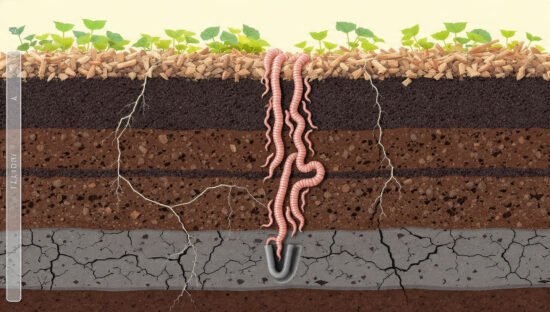
The “Lasagna” Method: How to Layer for Success
You don’t need a rototiller to fix clay. You just need patience and layers.
- Broadfork: Use a heavy-duty broadfork to crack the hardpan.
- Gypsum: Sprinkle gypsum over the surface (if your soil is salty/sticky).
- Compost: Layer 3 inches of compost.
- Mulch: Cover the compost with 2 inches of wood chips or straw.
By next spring, the worms will have come up to eat the compost and pulled it down into the clay for you, doing the mixing nature’s way.
Need the right tool to start?
You can’t amend the soil if you can’t open it. Check out our review of the 5 Best Broadforks for ClaySoil to find the tool that makes this process possible.
Helpful Video Resource
Why This Video Is Included
I felt this video would be especially helpful for you because it allows you to visually see effective soil amendment methods for heavy clay soil, making the steps we discuss in the above article much easier to understand and apply in your own garden. Watching someone demonstrate how to work compost, organic matter, and conditioners into dense clay gives you a deeper sense of how these amendments behave in real soil and why they make such a difference.
This video reinforces the article’s guidance on improving soil structure, drainage, and fertility, helping you choose the right materials and apply them correctly to achieve a healthier garden soil profile.
What You Will Learn
By watching this video, you will:
- See the best soil amendments for clay soil and how to apply them effectively.
- Learn how organic materials like compost and mulch change clay soil structure to allow better air and water movement.
- Understand the practical steps that help turn heavy clay into a more workable, plant-friendly medium.
Thank you to envii from the envii YouTube channel for this great and helpful video. Their clear, practical demonstration aligns with science-based soil improvement strategies and provides actionable insights you can use right away. Please visit their channel for more gardening tips—we love to support our neighbors and creators who help gardeners grow better soil.
Organic Gardening Advice is a participant in the Amazon Services LLC Associates Program, an affiliate advertising program designed to provide a means for sites to earn advertising fees by advertising and linking to Amazon.com
Leave a Reply