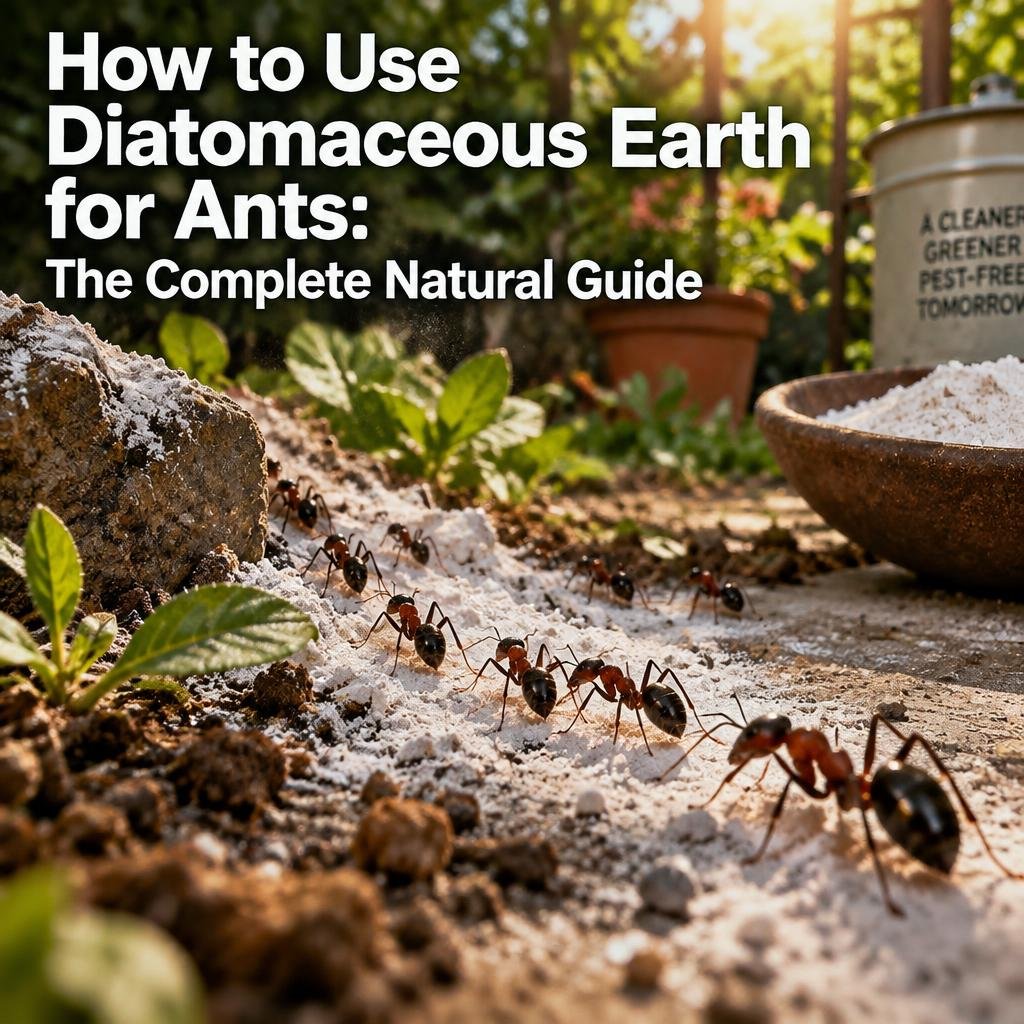
Few sights are as frustrating as watching an endless procession of ants marching across your kitchen counter, trailing along baseboards, or swarming your garden beds. While toxic chemical sprays knock down visible foraging scouts within seconds, they coat your living spaces in synthetic residues and leave the underground queen and brood untouched.
If you want a permanent, chemical-free solution that eradicates foraging trails without poisoning your household or organic garden soil, diatomaceous earth for ants is one of the most reliable tools in natural pest control.
However, many homeowners apply it incorrectly—creating thick white piles that ants simply walk around—and wonder why it fails. Below is our complete, step-by-step guide on how diatomaceous earth works, the exact micro-dusting technique to eliminate ants, and how to apply it safely indoors and outdoors.
Quick Facts: Diatomaceous Earth for Ants at a Glance
| Question | The Direct Answer |
|---|---|
| Does diatomaceous earth kill ants? | Yes. It destroys the protective outer layer of an ant’s exoskeleton, leading to fatal dehydration. |
| How fast does it kill ants? | 12 to 48 hours after an ant walks across the powder. |
| Which type must you use? | 100% Food-Grade (OMRI-Listed) only. Never use pool filter grade. |
| Does it work when wet? | No. Moisture completely neutralizes it until it dries out 100%. |
| Is it pet and child safe? | Yes, food-grade DE contains no synthetic toxins, though you should avoid inhaling airborne dust during application. |
How Diatomaceous Earth Kills Ants (The Science)
Diatomaceous earth (DE) is not a chemical poison. It is an all-natural, chalk-like powder composed of microscopic, fossilized aquatic organisms known as diatoms. These single-celled algae lived millions of years ago, leaving behind cellular skeletons made of amorphous silica.
To human fingertips, DE feels as soft as baby powder or flour. Under an electron microscope, however, each particle consists of razor-sharp, jagged glass-like shards. Here is the mechanical two-step process that eliminates ants:
- Lipid Absorption: Insects have a thin, waxy outer cuticle (epicuticle) that locks moisture inside their bodies. When an ant crawls across a dusted surface, the silica particles cling to its legs and joints, instantly absorbing and scraping away this oily barrier.
- Desiccation: Without their moisture-retaining lipid layer, ants cannot regulate internal fluids. Water evaporates out of their bodies, causing complete desiccation and death within 12 to 48 hours.
Because diatomaceous earth works through physical abrasion rather than neurological toxicity, ants cannot develop biological resistance or immunity to it, unlike commercial synthetic pesticides.
📌 Looking for a complete pest management strategy? Check out our master guide to natural ant killer recipes and eradication strategies for non-toxic pest control.
The Crucial Warning: Food-Grade vs. Pool Filter Grade
Before purchasing or applying a single ounce of powder, check the product label carefully. There are two distinct grades of diatomaceous earth on the market:
- Food-Grade Diatomaceous Earth (Safe): Contains less than 1% crystalline silica and is predominantly amorphous silica. It is OMRI-listed for organic gardening and completely safe around livestock, dogs, and cats. This is the only grade you should use for pest control.
- Pool-Grade Diatomaceous Earth (Dangerous): Subjected to intense heat treatment (calcination) to act as a swimming pool filtration medium. This turns amorphous silica into crystalline silica, which is a severe respiratory hazard that can cause irreversible lung damage (silicosis) if inhaled. Never use pool-grade DE for pest management.
📌 Living with curious puppies or indoor cats? While food-grade DE is non-toxic, read our guide on 100% pet-safe ant killer alternatives for powder-free methods like baking soda and vinegar.
The #1 Mistake: The “Snowdrift” Trap
The single most common reason homeowners claim diatomaceous earth “didn’t work” is over-application. When people see ants invading a kitchen baseboard, the natural instinct is to pour thick white lines of powder across the doorway or counter.
Ants are intelligent foragers. When they encounter a thick mound or barrier of white dust, scout ants treat it like an impassable obstacle. They release an alarm pheromone and reroute the entire foraging column around the pile, through another crack in the wall, or over a ceiling beam.
The Correct Technique: The “Ghost Layer”
Diatomaceous earth must be applied as a barely visible, microscopic film. The goal is for ants to walk across the treated surface without recognizing that anything is there. If the surface looks painted white, you applied too much.
- Use a Powder Duster: Invest in an inexpensive rubber bulb duster or bellows duster with an angled copper nozzle. This allows you to puff tiny, controlled clouds of dust into crevices without blowing plumes into the air.
- The Makeup Brush / Sifter Trick: If you don’t own a duster, place a tablespoon of DE in a fine-mesh tea strainer or use a clean makeup brush to lightly dust baseboards and thresholds.
How to Apply Diatomaceous Earth Indoors
Indoor ant infestations generally stem from scouts searching for kitchen crumbs, pet food, or moisture behind plumbing fixtures. Here is how to apply DE indoors for maximum impact:
- Dry the Area Completely: Ensure all surfaces are bone-dry. Wipe away condensation beneath sinks, behind refrigerators, or around bathroom tiles.
- Target Inactive Voids: Using your bulb duster, inject fine clouds of dust behind wall outlet plates (turn off circuit breakers first), beneath kitchen kickboards, into pantry corners, and along the tracks of sliding glass doors.
- Protect Pet Feeding Zones: If ants swarm your cat or dog food bowls, dust a thin circle around the feeding mat to keep them away.
- Leave It Undisturbed: Allow the dust to sit undisturbed for at least 7 days. As long as it remains dry, DE does not degrade or lose potency. Vacuum up any excess visible dust after two weeks and reapply a micro-layer if necessary.
📌 Noticing large black ants around damp wood structures? DE works on contact, but wood-boring pests require a different strategy. Read our dedicated guide on how to eliminate carpenter ants naturally using targeted boric acid wall injections.
📋 Free Checklist: Keep Pests Out of Your Home & Garden Naturally
Dusting entry points is only part of long-term prevention. Grab our free printable checklist to audit your foundation, seal unseen entry cracks, and pest-proof your garden beds organically:
The Secret “Wet Spray” Method (For Vertical Walls & Cracks)
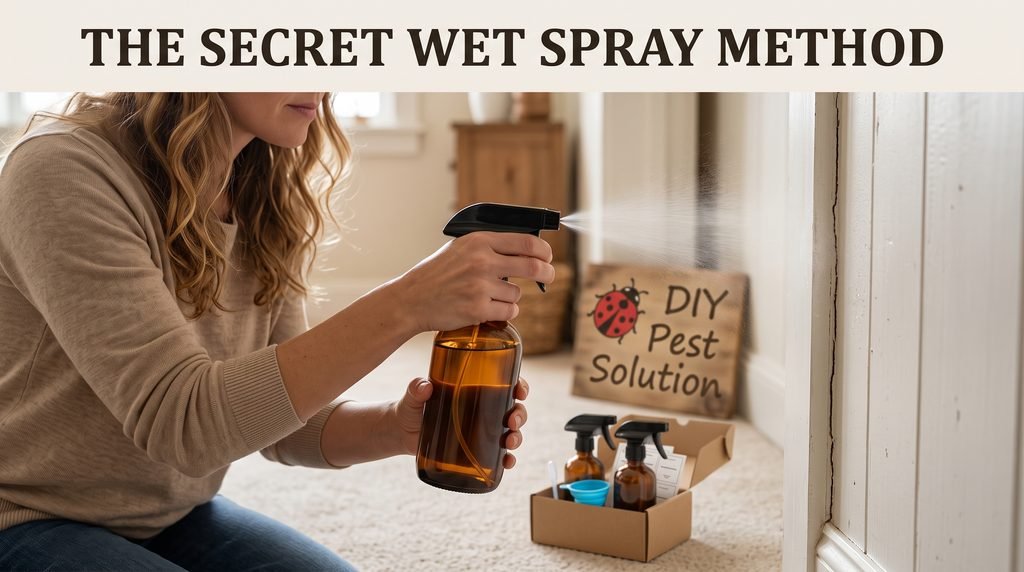
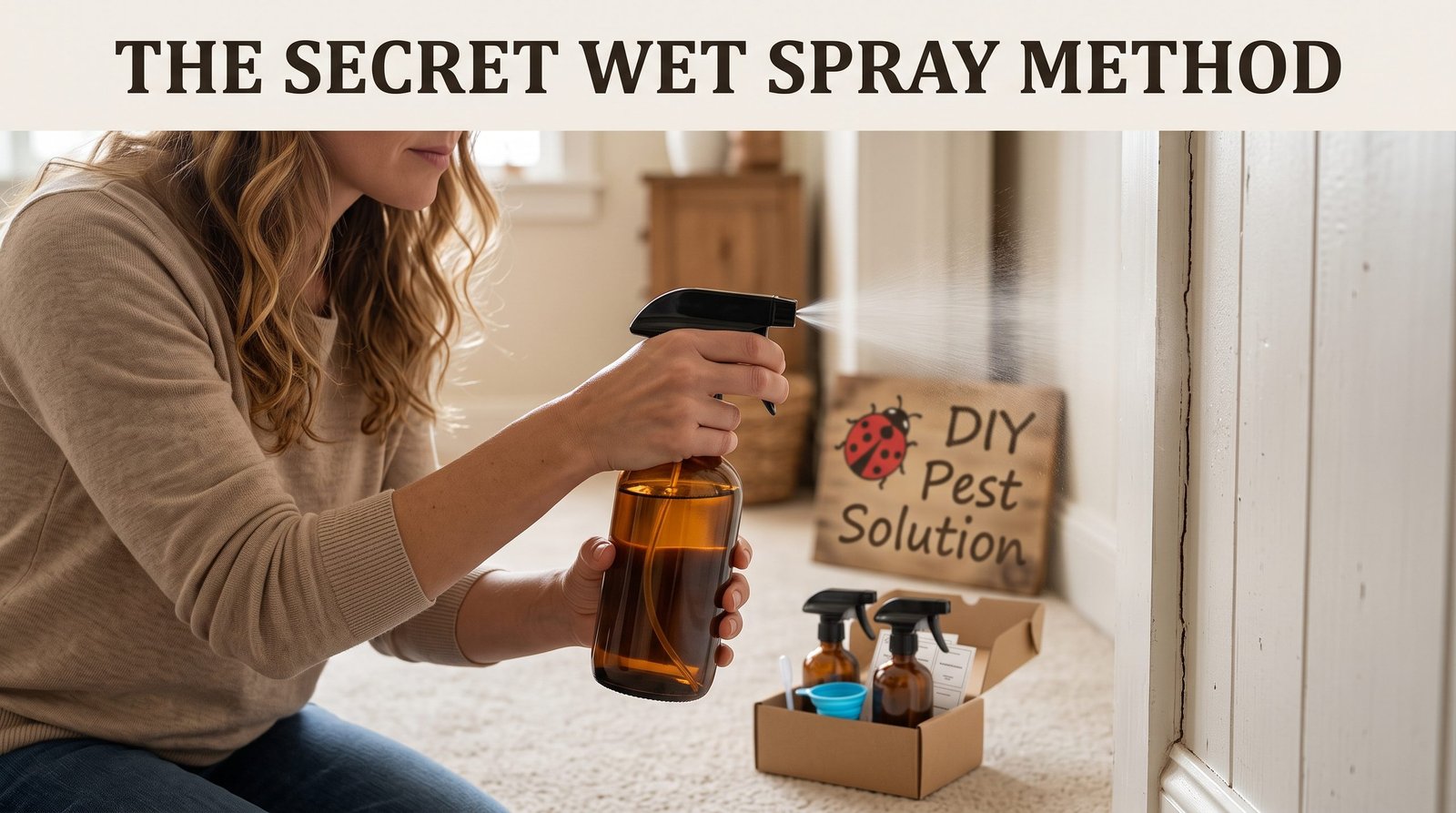
Dusting vertical surfaces like exterior brick foundations, window frames, or high trim is nearly impossible with dry powder because gravity causes it to fall right off. You can overcome this with the wet slurry application method:
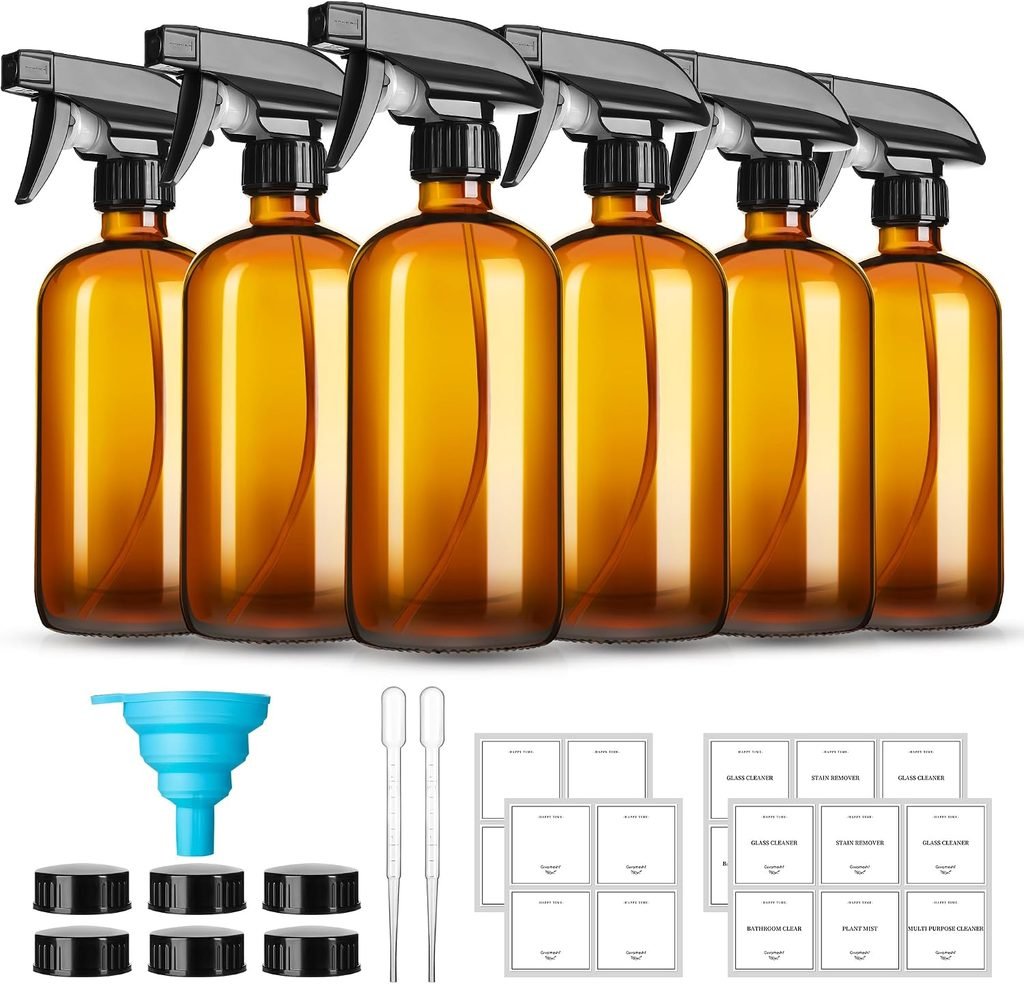
- Mix 2 tablespoons of food-grade DE into 1 quart of warm water in a standard spray bottle. Click here for Amazon food Grade DE
- Shake vigorously so the powder remains suspended in the liquid without settling to the bottom.
- Spray the liquid directly onto vertical foundations, window sills, siding joints, and fence posts.
- Let it dry: While wet, the mixture is harmless to insects. However, as soon as the water evaporates completely, it leaves behind an ultra-fine, even coating of microscopic silica shards that will stick to vertical surfaces and wipe out crawling ants.
How to Use Diatomaceous Earth in the Garden
Ants in the garden are notorious for protecting honeydew-producing pests like aphids, scale, and mealybugs. If ants are establishing mounds in your raised beds or swarming your fruit trees, DE provides rapid, organic-approved relief.
Garden Application Guidelines:
- Apply on a Sunny, Dry Day: Always check your local forecast. Never apply DE if rain is expected within 48 hours or if morning dew is heavy on the foliage.
- Create Stem Barriers: Dust a 2-inch band of DE around the base of vegetable stems or fruit tree trunks to prevent ants from climbing up to farm aphids.
- Protect Beneficial Pollinators: Crucial rule: Never dust open flower blossoms or flowering herbs. Diatomaceous earth does not discriminate between pests and pollinators; it can harm honeybees, bumblebees, and beneficial hoverflies if applied to blooms.
- Reapply After Rain: Rainwater washes DE into the soil. While silica is naturally present in soil and causes zero chemical harm to plant roots, its pest-killing power disappears when washed away. Reapply once the soil surface has dried out.
📌 Need outdoor soil strategies that survive heavy rains? Explore our complete guide on how to kill garden ants without harming organic plants using boiling drenches and castile soap.
Combining DE with Bait Traps (The Complete Colony Kill)
While diatomaceous earth is unbeatable for stopping foraging lines and creating perimeter barriers, it works mechanically on the ants that touch it. To eradicate a deep, entrenched underground colony, you need a two-front attack:
- The Offensive Strike (Slow-Acting Bait): Set out sweet or protein baits that foraging worker ants transport deep into the nest to eliminate the queen and brood.
- The Defensive Perimeter (Diatomaceous Earth): Dust entry cracks, floorboards, and patio thresholds with DE to ensure new scouts cannot invade your home.
📌 Ready to target the queen? Combine your DE barrier with our proven borax and sugar ant killer recipe to achieve full colony collapse within 48 to 72 hours.
Troubleshooting: Why Diatomaceous Earth Fails in Gardens
If you have dusted DE around your garden without success, one of these three environmental factors is almost always responsible:
- Morning Dew & Humidity: DE works through microscopic mechanical laceration and absorption of the insect’s protective epicuticular wax. When high relative humidity or morning dew saturates the powder, the silica pores absorb water from the air rather than the insect’s body. Once the sun dries the powder completely, its lethal desiccant properties return 100%.
- Applying in Clumps Instead of a Fine Dust: Ants will actively walk around large piles or thick white mounds of DE. Use a dedicated powder duster to apply an ultra-fine, almost invisible dusting that ants cannot easily detect or avoid.
- Accidentally Using Pool-Grade DE: Pool filter diatomaceous earth is heat-calcified, converting amorphous silica into toxic crystalline silica. Always verify you are using 100% Food-Grade Freshwater Amorphous Silica.
Frequently Asked Questions
Does diatomaceous earth kill the ant queen?
Not directly. Because DE kills ants via physical dehydration over 12 to 48 hours, worker ants rarely carry enough intact dust back into the royal chamber to eliminate the queen. To eliminate the queen, combine DE perimeter dust with an ingestible, slow-acting bait like borax and sugar.
Does diatomaceous earth work again after it gets wet?
Yes. Water does not alter the microscopic structure of silica diatoms. When wet, the water fills the pores and prevents lipid absorption, temporarily halting its effectiveness. Once the water fully evaporates and the powder is bone-dry, its insect-killing capability returns.
Can I vacuum up diatomaceous earth?
Use caution when vacuuming dry DE with a standard home vacuum. Because the microscopic particles are exceptionally fine, they can bypass standard paper filters, clog the motor, and exhaust dust into your living room air. Always use a vacuum equipped with a true HEPA filter or a shop vac with a fine drywall dust bag.
Written by Jennifer Reynolds
Certified Master Gardener • Sustainable Agriculture Specialist
Jennifer has over 15 years of hands-on experience in organic horticulture, permaculture soil biology, and non-toxic integrated pest management (IPM). Every recipe and garden strategy published on Organic Gardening Advise is field-tested in real raised beds to verify safety, dilution accuracy, and effectiveness. Learn more on our About Page.
Leave a Reply