Executive Summary & Core Takeaways
Whether you are just embarking on your journey with bed bug killer or seeking to refine established practices, mastering the nuanced technical fundamentals is essential. In this comprehensive guide, we dissect the core mechanics, practical execution steps, and common diagnostic errors associated with organic gardening, soil regeneration, and sustainable homesteading.
Choose Your Bed Bug Killer Focus Area
Explore the dedicated guides in this authority cluster. Upcoming guides unlock automatically as new editorial releases go live.
Best Bed Bug Killer For Beginners
Practical starter protocol covering active ingredient selection, basic application safety, and initial infestation containment.
Free Vs Paid Bed Bug Killer
Comprehensive breakdown comparing budget non-chemical methods (heat, vacuuming) against commercial-grade active treatments.
Bed Bug Killer License Guide
Essential regulatory overview of commercial pesticide operator licensing, restricted-use chemicals, and homeowner application rules.
Bed Bug Killer
Complete foundational walkthrough of extermination mechanics, life cycle interruption, and habitat eradication.
Bed Bug Killer Spray
Practical guide to contact vs. residual formulations, nozzle calibration, and targeted seam application techniques.
Bed Bug Killer Powder
High-yield dust application strategies covering diatomaceous earth and silica aerogel placement in wall voids and baseboards.
Bed Bug Killer Safe For Pets
Non-toxic and low-toxicity management protocols to eradicate pests without risking toxicity in cats, dogs, or small animals.
Best Bed Bug Killer
Rigorous comparative ranking of leading extermination solutions based on residual kill rate and cost per square foot.
Best Bed Bug Killer Spray
Top-rated aerosol and liquid trigger formulations analyzed for knock-down speed and long-term residual deterrence.
Best Bed Bug Killer Safe For Pets
Vetted pet-friendly formulations and organic botanical compounds suitable for pet-inhabited living areas.
Best Bed Bug Killer Powder
Comparison of professional-grade insecticidal dusts, electrostatic dusting tools, and barrier maintenance.
Best Bed Bug Killer For Home
Whole-home management blueprint detailing room-by-room staging, isolation protocols, and perimeter barriers.
Best Bed Bug Killer Home Remedy
Science-backed appraisal of DIY remedies including steam treatment, encasements, and high-heat laundering.
Natural Bed Bug Killer
Comprehensive guide to natural, organic botanical oils, biological controls, and non-synthetic eradication methods.
Natural Bed Bug Killer Homemade
Safe kitchen-grade formulations, essential oil blends (cedarwood, thyme), and physical barrier traps.
Natural Bed Bug Killer Spray
In-depth analysis of plant-derived insecticidal sprays, essential oil suspensions, and contact kill efficacy.
Natural Bed Bug Killer For Mattress
Non-toxic mattress cleaning, high-temperature steam extraction, and zippered encasement protocols.
Natural Bed Bug Killer Powder
Amorphous food-grade diatomaceous earth distribution, moisture prevention, and electrostatic barrier tactics.
Ultimate Bed Bug Killer Authority Guide
Master field blueprint synthesizing professional IPM principles, multi-stage remediation, and long-term prevention.
Understanding the Foundational Mechanics of Bed Bug Killer
Achieving lasting results with bed bug killer starts by addressing root biological and environmental drivers rather than chasing temporary surface fixes. Shortcuts fail predictably when they ignore how the underlying system behaves over a multi-week cycle.
Critical Factors Influencing Success
- Thermal & Biological Precision: Understanding the exact thermal death point of Cimex lectularius (118°F–122°F / 48°C–50°C sustained, or 160°F+ instant steam contact) eliminates guesswork. Rushing a steamer too quickly over mattress seams fails to raise internal harborage temperatures enough to kill hidden eggs.
- Breaking the 10-Day Egg Hatch Cycle: Even the strongest contact sprays often miss eggs cemented inside deep screw holes or fabric folds. Because eggs hatch in 6 to 10 days, performing a mandatory follow-up inspection and light re-treatment on Day 7 and Day 14 is what separates permanent eradication from recurring outbreaks.
- Zero-Scatter Containment: Disturbing a harborage with harsh chemical aerosols or dragging uncovered linens through hallways scatters pregnant females into adjacent rooms. Bagging textiles inside the room, vacuuming with a HEPA filter first, and isolating bed legs with interceptor traps keeps the population trapped in one treatable zone.
Common Misconceptions to Unlearn
- Using Store-Bought Bug Bombs (Total-Release Foggers): University entomology trials repeatedly show foggers fail to penetrate mattress seams and baseboard cracks while driving bed bugs deeper into wall voids and neighboring rooms.
- Pouring Thick Piles of Desiccant Powder: Heavy white mounds of diatomaceous earth act as visual barriers that insects walk around. Only a whisper-thin, barely visible film puffed into cracks adheres properly to insect exoskeletons.
- Stopping Treatment After Day One: Seeing no bugs for 48 hours creates a false sense of victory. Unhatched eggs emerge a week later; maintaining interceptor monitoring and Day 7/14 follow-ups is essential for 100% clearance.
Complete Mattress & Box Spring Isolation Architecture
Over 70% of household bed bugs harborages sit within five feet of where people sleep—specifically inside mattress piping, fabric tags, tufted seams, and the underside dust cover of box springs. Discarding a mattress without sealing it first often spreads eggs down hallways and into living areas, while buying a new mattress without treating the bed frame simply invites surviving insects into fresh fabric.
The gold-standard bed bug killer workflow isolates the sleeping zone into an impenetrable fortress. First, strip all linens directly into sealed plastic bags and launder on high heat (120°F+ washer followed by a minimum 30-minute high-heat dryer cycle). Second, systematically steam every linear inch of mattress beading and box spring framing at a slow pace so lethal heat penetrates at least half an inch into foam and batting. Third, install a certified micro-zippered mattress encasement with an internal zipper lock. Any trapped eggs or hidden nymphs inside the mattress are permanently cut off from blood meals and eventually starve, while the smooth exterior fabric eliminates future hiding crevices.
Step-by-Step Bed Bug Eradication & Prevention Protocol
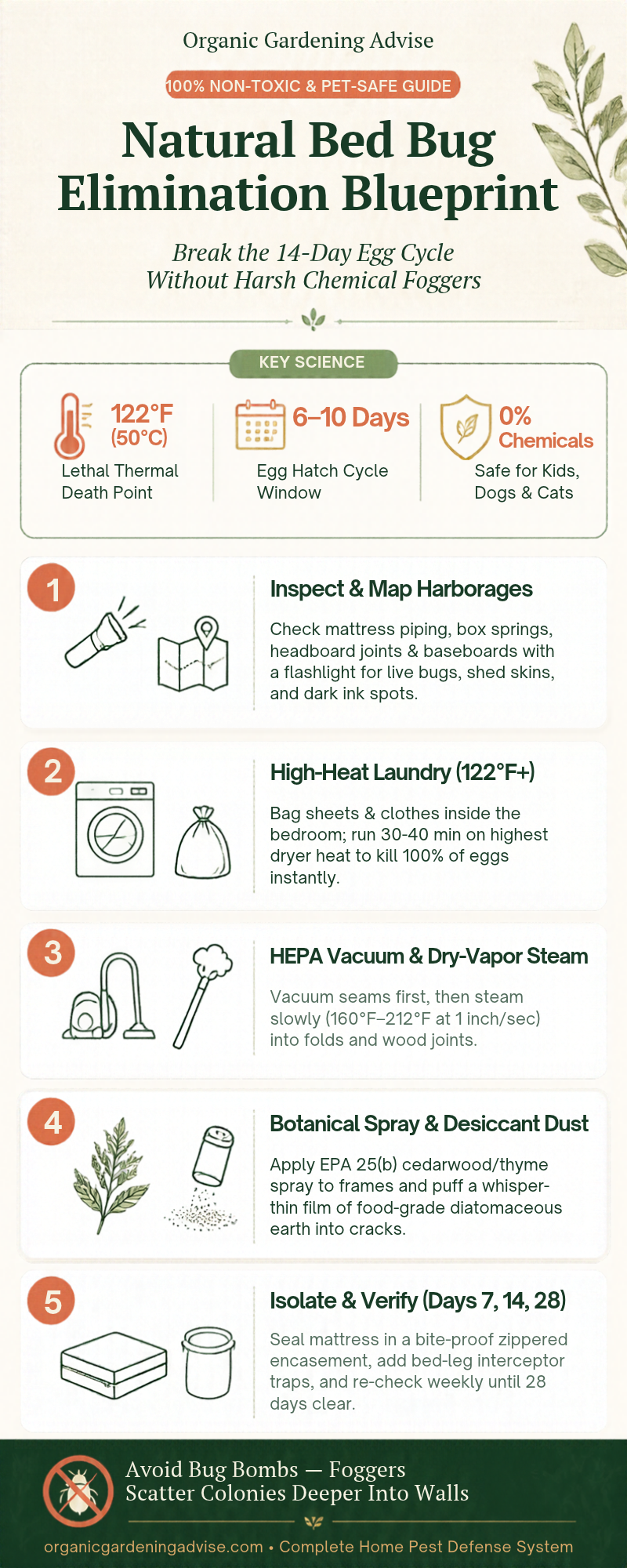
1. Deep Flashlight Inspection & Harborage Mapping
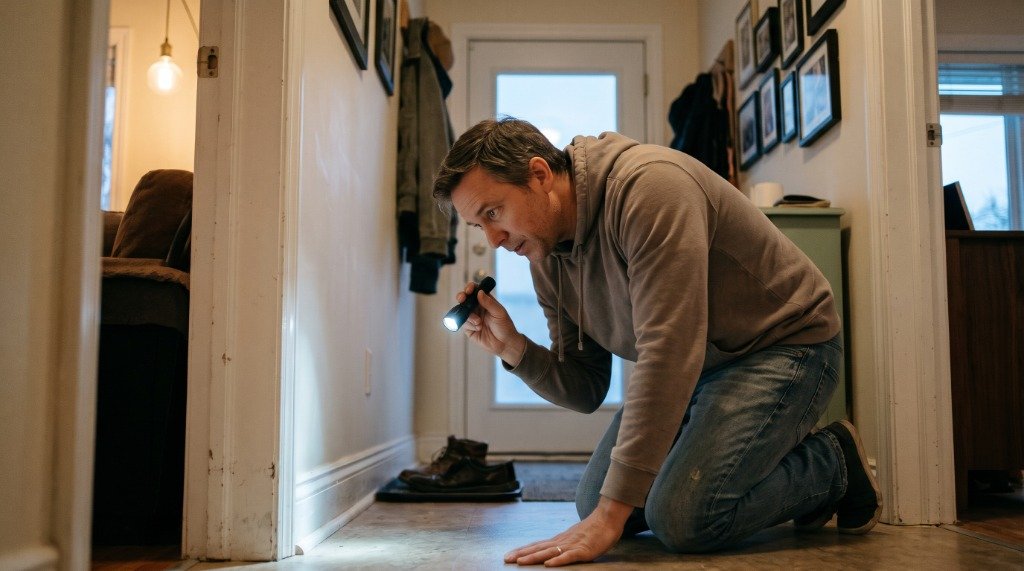
Before applying any bed bug killer, arm yourself with a high-lumen flashlight and a stiff plastic card. Systematically inspect mattress piping, box spring dust covers, headboard mounting brackets, nightstand drawer glides, and baseboards within 8 feet of the bed. Look for live insects, translucent shed skins, pearl-white 1mm eggs, and dark ink-like fecal spotting.
2. High-Heat Textile Sanitization & Containment
Strip all sheets, blankets, curtains, and nearby floor garments directly into sealed heavy-duty plastic bags inside the room. Empty bags straight into the dryer on the highest heat setting for a minimum of 30 to 40 minutes (exceeding 122°F internal core temperature) before washing, then store clean items in sealed airtight totes until eradication is confirmed.
3. Precision HEPA Vacuuming & Dry-Vapor Steaming
Use a stiff crevice nozzle on a bagged vacuum to physically remove visible clusters, eggs, and debris along every seam and baseboard crack; seal and discard the vacuum bag outdoors immediately. Follow slowly with a dry-vapor steamer (160°F–212°F) moving at roughly 1 inch per second so lethal heat penetrates deep into fabric folds and wood joints.
4. Targeted Natural Botanical & Desiccant Application
Once steamed surfaces are completely dry, apply your bed bug killer strategically. Spray non-toxic botanical contact emulsions directly into structural frame joints and baseboards. Then use a bulb duster to puff a micro-thin, invisible layer of food-grade diatomaceous earth or amorphous silica into wall cracks, behind outlet plates (breaker off), and inside bed frame crevices.
5. Bed Isolation, Encasements & Day 7/14 Verification
Seal both the mattress and box spring inside certified bite-proof zippered encasements. Pull the bed 6 inches away from walls, place climb-up interceptor traps beneath every bed leg, and schedule mandatory Day 7 and Day 14 inspections to eliminate any newly hatched nymphs and verify zero ongoing activity.
Safety Protocols, Pet Precautions & Follow-Up Schedule
Protecting your household air quality is just as important as eliminating bed bugs. Always wear a particulate dust mask when puffing food-grade diatomaceous earth so fine mineral particles do not irritate airways, and wipe away any excess visible dust from open floor surfaces. Keep dogs, cats, and toddlers out of treated rooms until botanical sprays have fully dried (typically 45–60 minutes).
Recommended Verification Timeline:
- Day 1: Full inspection, high-heat laundering, HEPA vacuuming, dry-vapor steaming, encasements, and initial desiccant/botanical barrier application.
- Day 7: Re-inspect bed leg interceptors and seams; vacuum and apply targeted steam or botanical spray to any newly emerged nymphs.
- Day 14: Second verification check; refresh light desiccant dusting in disturbed baseboard crevices.
- Day 28: Final clearance audit—four consecutive weeks of empty interceptor traps confirms complete home eradication.
📊 The Complete Guide to Bed Bug Killer Quick Reference
Explore or save the complete high-resolution reference visual guide. Click to inspect full details or pin for subsequent reference.
▶ 📋 Share / Embed on Your Site
Comparative Analysis & Benchmark Standards
| Eradication Method | Mode of Action & Speed | Safety & Resistance Profile |
|---|---|---|
| Dry-Vapor Steam (160°F–212°F) | Instant thermal protein denaturation (kills adults & eggs on contact) | 100% chemical-free; zero pet risk; impossible for pests to resist |
| Food-Grade Diatomaceous Earth | Absorbs waxy exoskeleton lipids causing dehydration in 24–72 hours | Non-toxic mineral; keep out of direct pet bowls; zero genetic resistance |
| Botanical Oil Spray (Cedar/Thyme) | Disrupts insect octopamine receptors & spiracles on direct contact | EPA 25(b) minimum-risk; allow 45–60 min dry time around cats/dogs |
| Certified Mattress Encasement | Physical entrapment & starvation of hidden internal harborages | Zero chemicals; protects mattress investment permanently |
| Store-Bought Chemical Foggers | Surface aerosol mist only; fails to penetrate seams and wall voids | High toxic residue; causes colony scattering (budding) into new rooms |
Diagnostic Troubleshooting & Problem Resolution
| Symptom / Challenge | Likely Root Cause | Verified Corrective Action |
|---|---|---|
| New Bites Appearing 7–10 Days Later | Hidden eggs survived initial spray and hatched into hungry first-instar nymphs. | Execute scheduled Day 7 & Day 14 steam and seam inspection; verify interceptor traps under every bed leg. |
| Insects Walking Around Desiccant Powder | Powder was applied in thick white lines or clumps instead of an invisible film. | Vacuum up heavy piles and re-apply a whisper-thin puff using a bulb duster strictly into tight cracks. |
| Infestation Spreading to Living Room Couch | Homeowner began sleeping on the sofa or carried unbagged linens across hallways. | Resume sleeping in the isolated, encasement-protected bed; steam sofa seams thoroughly and bag all textiles. |
| No Bugs Found Despite Morning Bites | Harborage is hidden inside electrical outlets, picture frames, or behind loose wallpaper. | Install climb-up bed leg interceptors to trap insects traveling to the bed at night and confirm species. |
| Strong Essential Oil Odor Lingering | Over-application of concentrated oil spray onto porous bedding or carpets. | Ventilate room with open windows and fans; restrict botanical sprays to hard wood/metal frames and baseboards. |
Frequently Asked Questions About Bed Bug Killer
Can I spray liquid bed bug killer directly onto my mattress sleeping surface?
Avoid soaking mattress foam with heavy liquid sprays, as trapped moisture encourages mold growth and can degrade adhesives. Use dry-vapor steam on seams and piping, apply light botanical sprays strictly to perimeter bed frame hardware and outer seams, and seal the entire mattress in a certified encasement once dry.
How long does it take for bed bug killer to completely clear an infestation?
Visible adults are knocked down immediately by steam and botanical contact sprays, while food-grade desiccants eliminate crawling insects within 24 to 72 hours. Because hidden eggs take 6 to 10 days to hatch, a complete 14-to-21-day follow-up cycle ensures total eradication.
Why don’t supermarket aerosol sprays work on bed bugs anymore?
Peer-reviewed entomology studies confirm that over 85% of modern urban populations carry genetic kdr mutations and thickened cuticles that neutralize synthetic pyrethroids. Mechanical methods (heat, steam, desiccants) and botanical terpenes bypass this resistance completely.
Do I have to throw away my mattress or furniture when using bed bug killer?
In almost all residential cases, no. Thorough seam steaming at 160°F+ combined with a lab-certified bite-proof mattress encasement saves your mattress and eliminates the risk of spreading eggs through hallways during disposal.
What temperature kills bed bugs and their eggs instantly?
Adults die within minutes at 118°F (48°C), and eggs require 122°F (50°C) for roughly 20–30 minutes in a clothes dryer. A dry-vapor steamer delivering 160°F–212°F kills all life stages instantaneously on contact.
How can I prevent bed bugs from coming back after treatment?
Keep certified encasements zipped on mattresses permanently, inspect hotel beds and luggage seams when traveling, immediately high-heat dry travel clothes upon returning home, and inspect secondhand furniture outdoors before bringing it inside.
Verified Scientific References & Further Reading
The following peer-reviewed entomological studies and university extension publications provide empirical evidence supporting the non-toxic pest control protocols detailed above:
- Romero, A., Potter, M. F., & Haynes, K. F. (2009). Evaluation of Piperonyl Butoxide as a Delamethrin Synergist for Pyrethroid-Resistant Bed Bugs. Journal of Economic Entomology, 102(6), 2310-2315.
- Kells, S. A., & Goblirsch, M. J. (2011). Temperature and Time Requirements for Controlling Bed Bugs (Cimex lectularius) under Commercial Heat Treatment Conditions. Insects, 2(3), 412-422.
- Singh, N., Wang, C., & Cooper, R. (2014). Potential of Essential Oil-Based Pesticides and Detergents for Bed Bug Control. Journal of Economic Entomology, 107(6), 2163-2170.
- U.S. Environmental Protection Agency (EPA). Minimum Risk Pesticides Exempted under FIFRA Section 25(b) & Integrated Pest Management Guidelines. EPA Office of Pesticide Programs.
Strategic Conclusions & Next Steps
Mastering bed bug killer does not require guesswork or risky shortcuts. By combining disciplined preparation, proven mechanical and natural methods, and consistent follow-up verification, you build a dependable system that protects your home and delivers lasting peace of mind.