Disclosure: This post contains affiliate links. If you purchase through our links, we may earn an affiliate commission at no extra cost to you. As an Amazon Associate, we earn from qualifying purchases.
Woody Mediterranean perennial herbs—especially rosemary (Salvia rosmarinus), lavender (Lavandula angustifolia), thyme, and winter savory—are celebrated for their drought tolerance, fragrant essential oils, and hardy resilience in summer gardens. But when autumn freezes arrive and gardeners in USDA Zones 6 and colder scramble to move these beloved perennials indoors, disaster often strikes within weeks.
Suddenly, vibrant needle-like rosemary foliage turns brittle, brown, and begins shedding by the handful. Silvery webbing appears across branch tips, sticky residue coats the floor, and tiny white insects flutter into the air whenever the pot is bumped. Within the warm, dry, low-light environment of a heated home, Mediterranean herbs are rapidly ambushed by two-spotted spider mites, scale insects, and root rot fungi.
Overwintering woody herbs successfully doesn’t require a commercial greenhouse. By understanding Mediterranean biology, transitioning plants through a proper pre-frost quarantine, and deploying organic botanical pest defenses, you can keep your woody herbs thriving, green, and fragrant until spring.
Free Organic Pest Prevention Checklist & Spray Chart
Download our printable quick-reference spray schedule and kitchen-cabinet organic remedy guide to protect your garden all season long.
🔒 100% Privacy. Instant PDF Download. No spam ever.
Understanding Mediterranean Ecology (Why Herbs Suffer Indoors)
Rosemary, lavender, and woody culinary herbs evolved along the rugged, sun-drenched coastal limestone cliffs of the Mediterranean basin. Their natural habitat is defined by three environmental traits:
- Intense, Direct Sunlight: They require 6 to 8+ hours of high-intensity solar radiation daily.
- Gritty, Alkaline, Fast-Draining Soil: Their root systems rot quickly if left in wet, dense, organic-rich potting soils.
- Cool, Airy, Non-Stagnant Winters: They prefer cool winter rests (between 45°F and 55°F) rather than 72°F artificially heated living rooms with bone-dry furnace air.
When you bring a Mediterranean herb from cold, crisp autumn air directly into a heated home, the dry air dehydrates needle stomata while low winter light halts sugar production. Weakened plant tissue becomes prime territory for pests.
The 3 Major Indoor Winter Herb Pests
1. Two-Spotted Spider Mites (Tetranychus urticae)
Spider mites thrive in warm, dry, low-humidity indoor environments. Measuring less than 0.5 mm, they pierce individual plant cells, extracting chlorophyll and leaving behind yellow stippling that causes rosemary needles to turn grey and drop. In advanced stages, fine silk webbing blankets branch tips.
2. Scale Insects (Soft & Armored Scale)
Scale appear as stationary, waxy brown or tan bumps adhering to woody stems and needle undersides. They suck plant sap continuously, secreting clear, sticky honeydew that fosters black sooty mold.
3. Root Rot Pathogens (Phytophthora & Pythium)
Overwatering is the #1 killer of overwintered rosemary. When well-meaning gardeners keep the soil constantly wet in low winter light, root hairs drown and succumb to fungal root rot, causing entire branch sections to suddenly turn brown and desiccate.
The Pre-Frost Transition & Quarantine Protocol
Never move a woody herb directly from the outdoor garden onto your indoor windowsill in one day. Follow this 10-day acclimation process in mid-autumn before your first hard frost:
- Step 1 (Root Pruning & Gritty Repotting): If growing in the ground, carefully dig up the root ball. Pot into an unglazed terracotta pot (which allows root evaporation) using a mix of 50% premium organic potting soil, 30% coarse perlite or pumice, and 20% horticultural sand.
- Step 2 (The Outdoor Pre-Wash): Lay the potted herb on its side and deliver a thorough, high-pressure water spray across every branch to dislodge hitchhiking pests.
- Step 3 (Castile Soap & Neem Soak): Thoroughly coat the foliage and stems with a foliar spray of Dr. Bronner’s Liquid Castile Soap on Amazon → and cold-pressed neem oil (Check Price on Amazon →).
- Step 4 (Light Stepping): Move the pot to a covered porch or shaded patio for 5 days so the foliage adjusts to lower light levels before bringing it inside.
Overwintering Cultural Best Practices
| Factor | Ideal Winter Target | Common Mistake to Avoid |
|---|---|---|
| Light | South-facing window + supplemental LED grow light (12-14 hrs) | Placing in dark corners; causes needle drop within 14 days |
| Temperature | Cool room: 50°F to 60°F (unheated bedroom, sunroom, enclosed porch) | Placing near heating vents or radiators; dries needle tissues rapidly |
| Watering | Allow top 2 inches to dry thoroughly; water sparingly | Watering on a strict calendar; leads to fatal root rot |
| Humidity | Place pot on a gravel-and-water humidity tray | Misting needles with cold water (promotes fungal mold) |
Botanical Rosemary Pest Repellent Spray Recipe
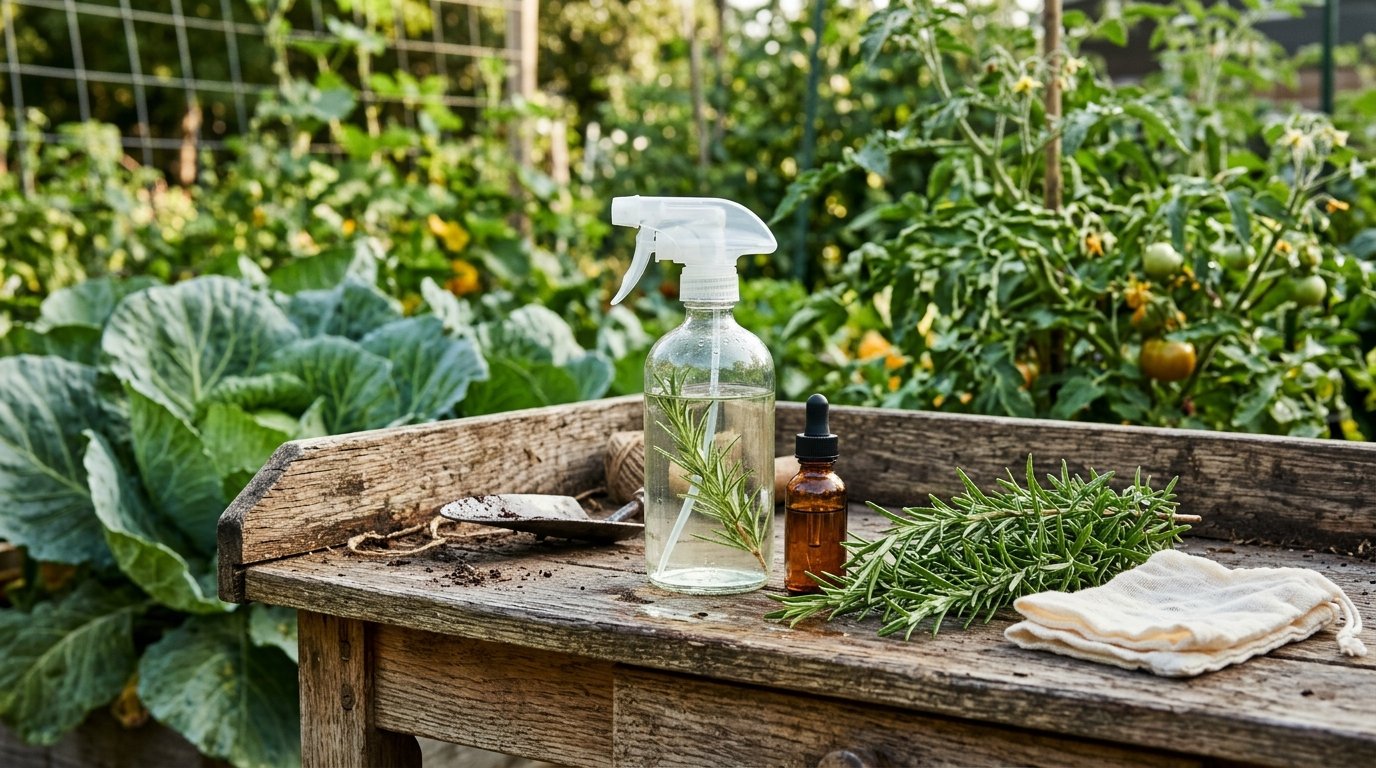
To deter indoor mites and aphids while invigorating your plants, you can harness rosemary’s own natural essential chemistry. Pure rosemary oil contains camphor and 1,8-cineole, which act as potent natural insect neurotoxins against spider mites.
DIY Botanical Mite Barrier Recipe:
- 10 drops Pure Rosemary Essential Oil on Amazon →
- 1/2 teaspoon Pure Liquid Castile Soap on Amazon →
- 1 quart lukewarm distilled water in a Glass Spray Bottle on Amazon →
Mist stems and foliage every 10 to 14 days. The gentle organic solution suffocates emerging spider mites while filling your home with an invigorating herbal aroma.
Tired of Pests Moving from Your Garden Into Your Home?
Get Jennifer Reynolds’ complete 6-part digital blueprint: The Complete Home Defense Bundle. Includes field-tested eradication protocols for ants, cockroaches, bed bugs, spiders, and rodents, plus a 16-page non-toxic recipe book.
Conclusion
Overwintering rosemary, lavender, and woody herbs is completely achievable when you recreate Mediterranean conditions: gritty drainage, bright light, cool ambient temperatures, and preventative botanical pest care. Follow this protocol, and your herbs will greet the warm spring sunshine healthy, fragrant, and bursting with new growth.
Leave a Reply