By Jennifer Reynolds, Certified Master Gardener | Master Pillar Guide
Executive Summary & Core Takeaways
Welcome to the Organic Pest Control Master Guide. This authority pillar connects directly to our core seasonal spoke series, providing homeowners and gardeners with non-toxic, scientifically verified protocols to eradicate pests, attract beneficial predators, and winterize garden soils naturally without synthetic chemical contamination.
🎥 Video Guide: 10 Organic Ways to Control Pests in the Garden
Watch this authoritative masterclass by Mark Valencia from Self Sufficient Me detailing physical barriers, beneficial insect attraction, sacrificial planting, and non-toxic sprays that keep garden crops thriving without synthetic chemicals.
Choose Your Organic Pest Control Focus Area
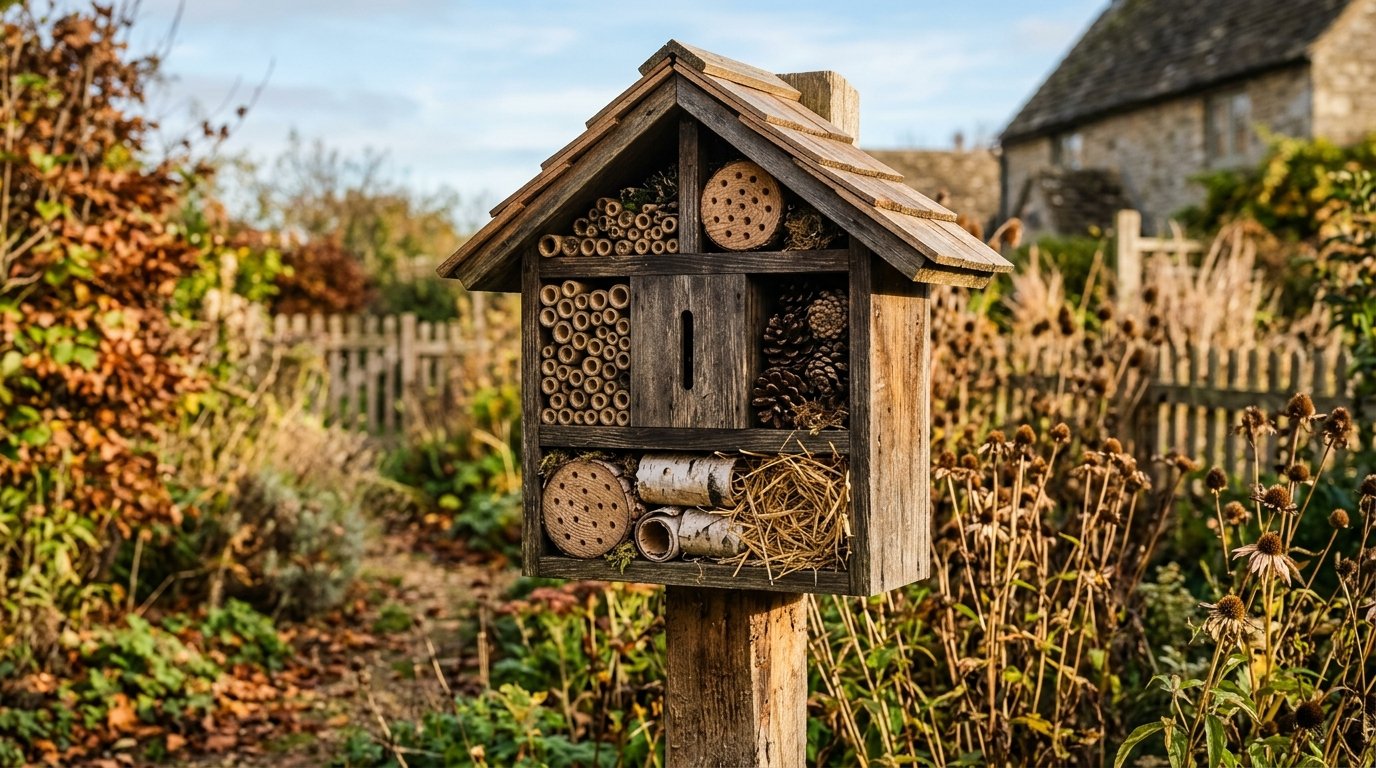
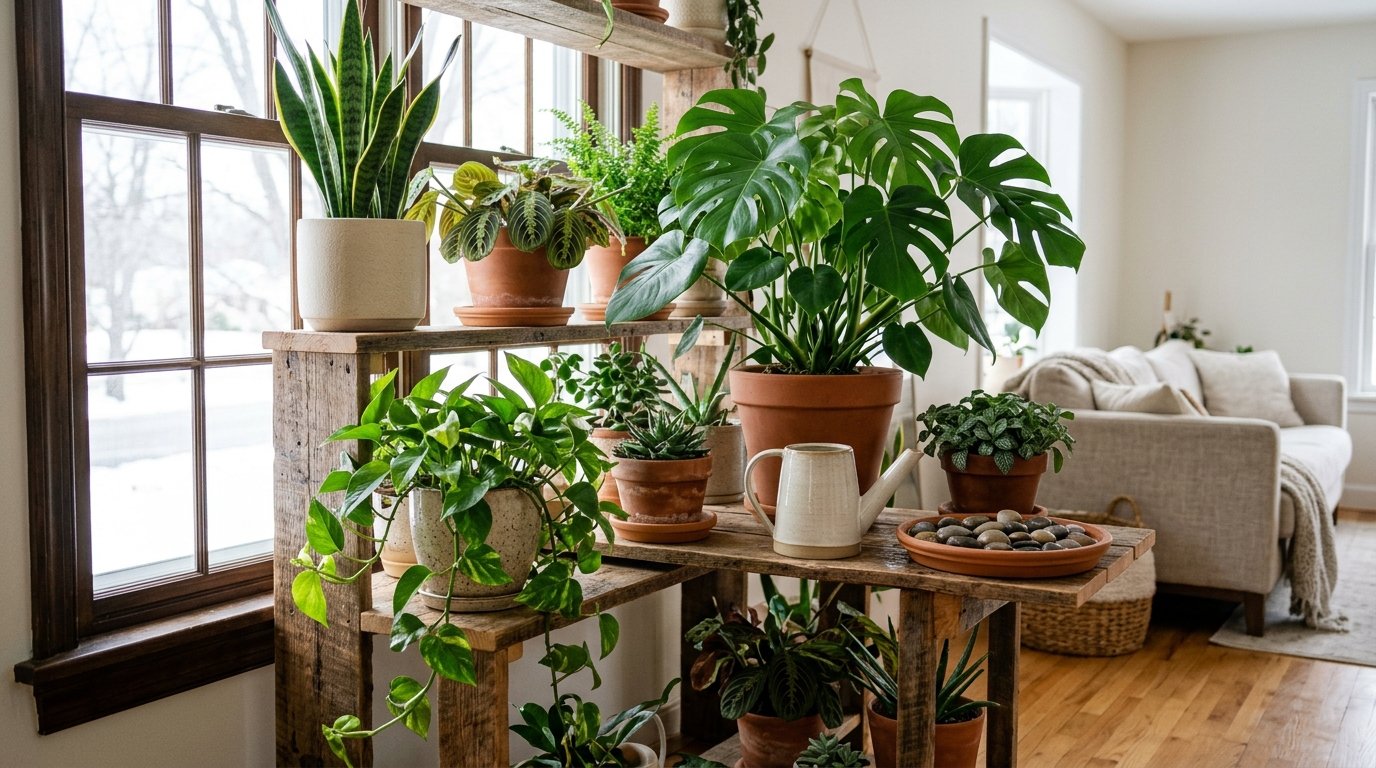
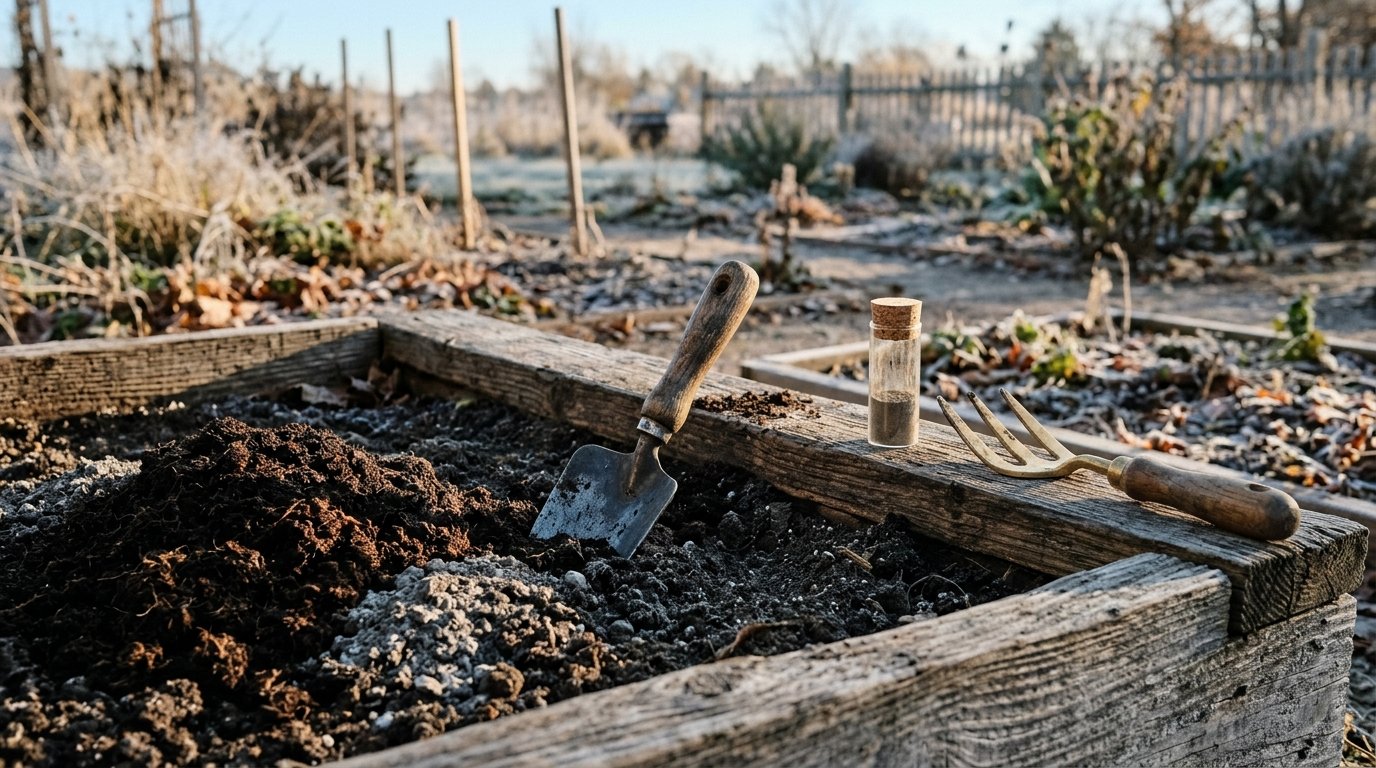
Select any of the dedicated cluster spokes below to access full construction diagrams, dormancy care schedules, and soil amendment recipes.
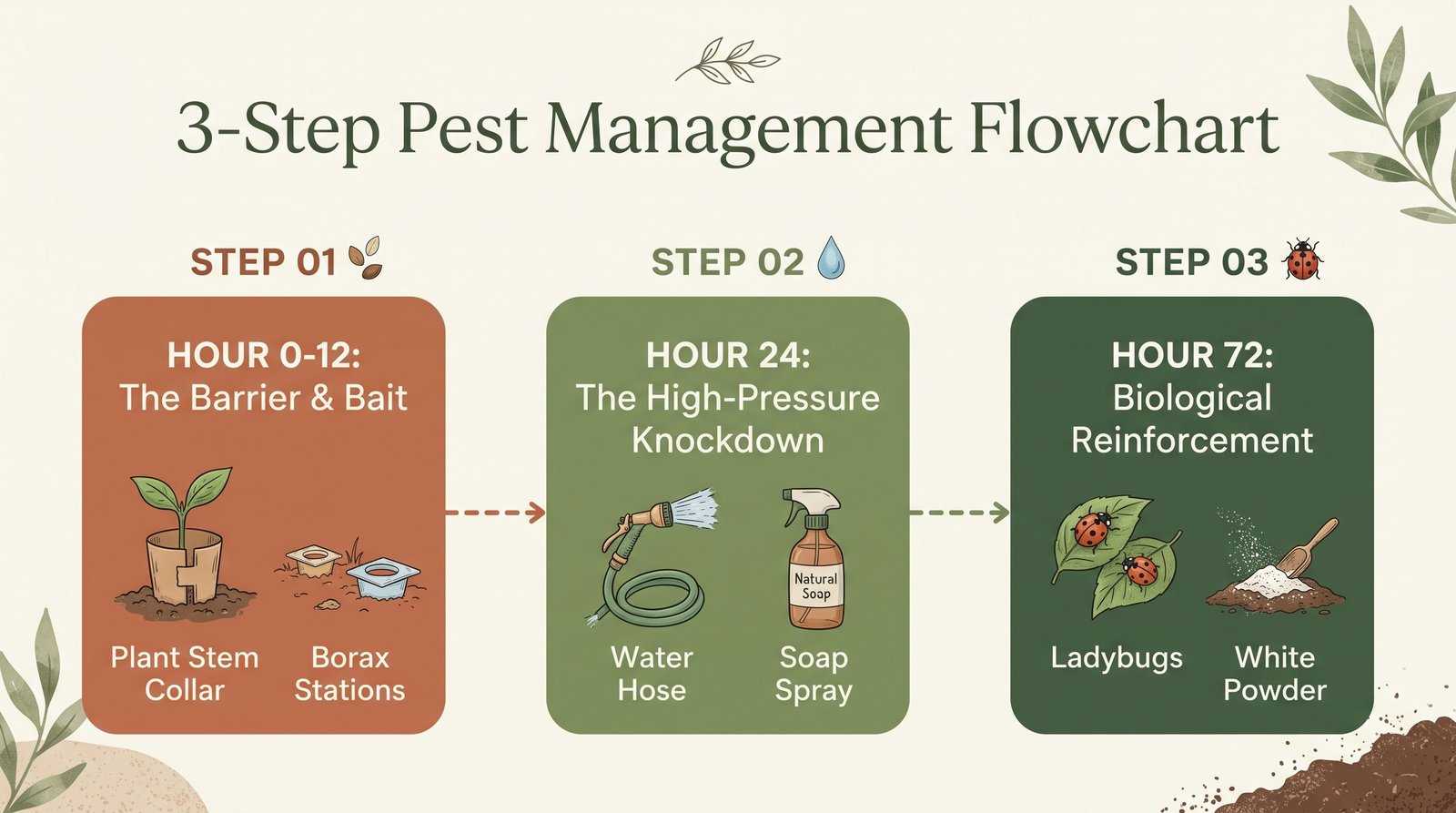
📊 Seasonal Pest Management Timeline & Garden Defense Guide
Download or view our high-resolution visual timeline covering spring predator emergence, dormant season soil preparation, and natural pest suppression cycles.
▶ 📋 Share / Embed on Your Site
Copy and paste this HTML code to embed our visual reference guide on your website:
Complete Printed Home Pest Defense Guides Bundle
Keep our full suite of Master Gardener spray recipes, dilution tables, and pest identification charts handy in your shed or garden workstation.
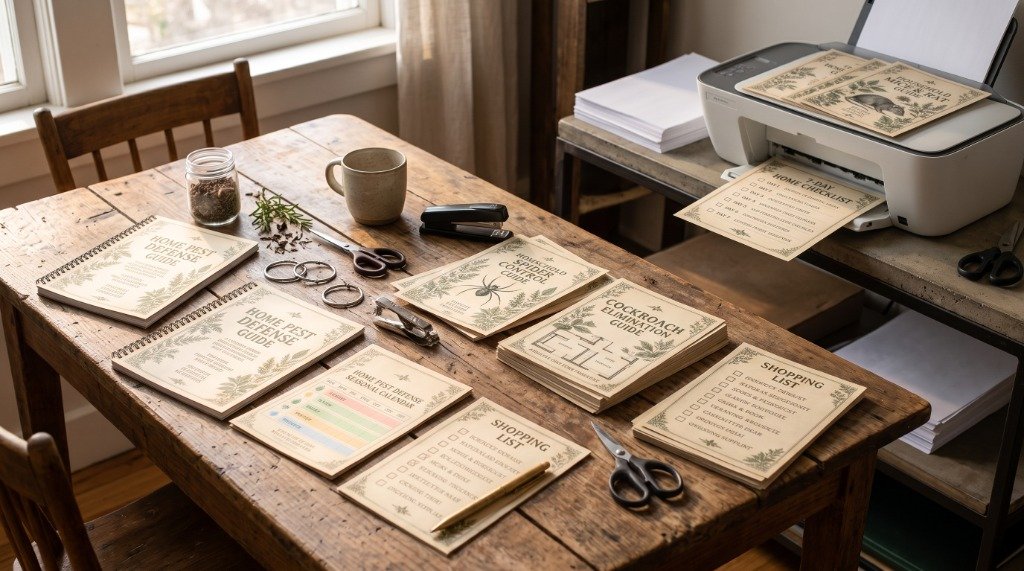
High-resolution 3D bundle showcase: Includes spray dilution cheat sheets, seasonal IPM calendars, and beneficial insect attraction layouts.
🌱 Join 12,000+ Organic Gardeners: Free Seasonal Pest Alerts
Receive timely alerts when specific garden pests emerge in your zone, along with zero-toxicity spray recipes and Master Gardener advice delivered to your inbox.
Frequently Asked Questions About Organic Pest Control
How does building a bug hotel stop garden pests naturally?
Bug hotels provide sheltered overwintering cavities for solitary predatory wasps, lacewings, and ladybugs. In early spring, these resident predators emerge immediately to consume aphid and thrips eggs before pest populations can explode.
Why do houseplants develop root rot and fungus gnats in winter?
Indoor plants enter winter dormancy with reduced transpiration. Continuing summer watering schedules keeps root zones soggy, promoting Pythium fungal decay and creating ideal feeding grounds for fungus gnat larvae in the top 2 inches of soil.
What is the single most important step for winter garden soil preparation?
Broadforking without inverting soil horizons, adding finished compost and mineral amendments, and covering beds with shredded leaf mulch to insulate living soil biology and expose overwintering pest pupae to sub-zero temperatures.