Disclosure: This post contains affiliate links. If you purchase through our links, we may earn an affiliate commission at no extra cost to you. As an Amazon Associate, we earn from qualifying purchases.
Few indoor plant annoyances compare to watering your favorite monstera, fiddle leaf fig, or seed-starting tray only to watch a cloud of tiny, erratic black gnats erupt from the potting mix. While adult fungus gnats (family Sciaridae) are weak fliers that do not bite humans, their subterranean larvae feast voraciously on microscopic root hairs and tender seedling taproots.
Spraying adult gnats with aerosol bug sprays is useless because 90% of the population lives beneath the soil as eggs and larvae. The gold standard organic weapon for terminating gnat larvae without toxic chemicals is Mosquito Bits (formulated with biological Bacillus thuringiensis israelensis, or Bti). In this field guide—part of our complete framework in The Complete Guide to Organic Garden Pest Control and our Pet-Safe Indoor Pest Guide—we show you the exact Bti tea brewing method.
The Critical Mistake: Why You Should Never Scatter Bits on Soil
The instructions on the back of the Mosquito Bits package suggest sprinkling the dry corn-cob granules directly on top of the soil. In indoor houseplants and greenhouses, this is a major mistake!
Mosquito Bits are made of crushed corn cob coated in Bti spores. When wet corn cob sits on top of damp potting soil in humid indoor air, it grows unsightly white fuzzy mold within 72 hours. Instead, Master Gardeners use the Bti Tea Protocol: extracting the active biological bacteria into water and discarding the corn cob granules before watering.
Biological Fungus Gnat Larvicide: Mosquito Bits
To kill fungus gnat larvae in soil naturally, use OMRI-listed Mosquito Bits containing biological Bti bacteria.
Step-by-Step: How to Brew Bti Soil Tea
- Measure the Bits: Add 4 tablespoons of Mosquito Bits per 1 gallon of warm water (approx. 75°F to 80°F helps release the bacterial spores quickly).
- Steep for 30 to 60 Minutes: Let the corn cob granules soak in the water, stirring occasionally. The water will take on a cloudy golden appearance as the biological Bti protein crystals dissolve.
- Strain Out the Granules: Pour the liquid through a fine kitchen strainer or cheesecloth bag to separate the liquid tea from the corn cob bits. Discard the spent granules into your compost bin.
- Drench Soil Deeply: Water your infested houseplants or seedling trays with the strained Bti tea, ensuring the liquid saturates the top 2 to 3 inches of potting soil where gnat larvae feed.
- Repeat for 3 Consecutive Waterings: Because Bti only targets active feeding larvae and does not harm unhatched eggs or adult pupae, apply Bti tea every time you water for 14 to 21 days to break the reproductive cycle 100%.
Lawn & Garden Pump Pressure Sprayer
For even soil drenching and applying biological teas without disturbing delicate seedling roots, use the 1-Gallon Lawn & Garden Pump Sprayer.
Yellow Sticky Insect Traps for Adult Gnats
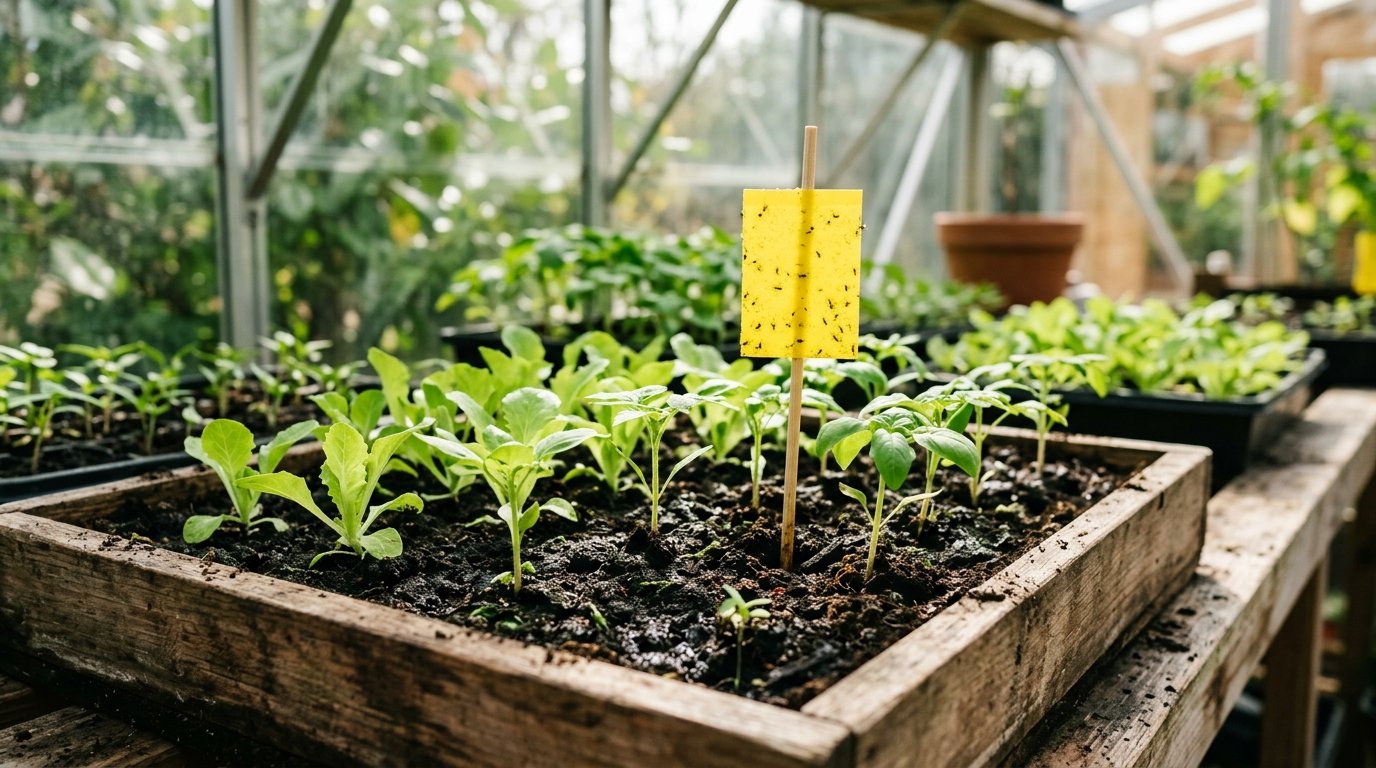
While Bti tea eliminates larvae in the soil, capture flying adult gnats before they lay fresh eggs by mounting bright Yellow Sticky Traps in your plant pots.
Check Price on Amazon: Yellow Sticky Traps for Fungus Gnats →
Download the Free Organic Pest Prevention Checklist & Spray Chart
Get instant access to our printable organic dilution cheat sheets, companion planting matrix, and seasonal pest calendar used by certified organic growers.
Frequently Asked Questions
Is Bti tea safe for pets and children?
Yes. Bti produces crystalline proteins that bind specifically to the alkaline gut lining of dipteran insect larvae (mosquitoes, fungus gnats, blackflies). It is completely non-toxic to mammals, birds, earthworms, and plants.
How long does brewed Bti tea remain active?
Use your freshly brewed Bti tea within 48 hours of soaking. Discard unused tea after 3 days, as beneficial bacterial potency declines in standing water.
Written by Jennifer Reynolds
Certified Master Gardener • Sustainable Agriculture Specialist
Jennifer has over 15 years of hands-on experience in organic horticulture, permaculture soil biology, and non-toxic integrated pest management (IPM). Every recipe and garden strategy published on Organic Gardening Advise is field-tested in real raised beds to verify safety, dilution accuracy, and effectiveness. Learn more on our About Page.
Leave a Reply